

A Complete Community Guide for Building Friendly, Safe, and Connected Neighborhoods
Introduction:
First Impressions Shape Neighborhood Culture
In Nigeria, moving into a new neighborhood can feel overwhelming. Whether it’s a gated estate in Victoria Island, a block of flats in Maitama, or a compound house in Oshogbo, new residents often feel unsure about the people around them.
Traditionally, Nigerian communities were very welcoming, neighbors would introduced themselves, shared food, and helped newcomers settle in. But in modern cities, people now move in quietly, stay behind high fences and rarely interact. Some because of status, some pride others just because they are unsure of the new environment.
This isolation creates:
-
Suspicion and mistrust
-
Security gaps
-
Weak community ties
-
Poor communication during emergencies
Welcoming new neighbors is not just polite, it is a powerful community-building strategy that improves security, happiness, and property value.
This guide explains how Nigerians can welcome new neighbors in estates and compounds, using practical steps, cultural insights, mini case studies, expert advice, and structured community systems.
Why Welcoming New Neighbors Is Important in Nigeria
1. Improved Security
New residents who feel welcomed are more likely to report suspicious activities and participate in security initiatives.
2. Faster Community Integration
A friendly welcome helps new residents understand rules, culture, and expectations quickly.
3. Stronger Social Bonds
Friendships start with introductions. A welcoming culture creates social cohesion.
4. Better Property Value and Reputation
Estates known for friendly residents attract higher-income tenants and buyers.
Local Nigerian Mini Case Studies
Case Study 1: Estate Welcome Pack in Lagos
In a Ikoyi estate, the residents’ association created a welcome pack containing:
-
Estate rules
-
Emergency contacts
-
Waste disposal schedule
-
Local vendor list
Outcome: New residents integrated quickly and conflicts reduced. They quickly get familiar with rules and activities that happens in the estate.
Case Study 2: Compound Welcome Tradition in Minna
In a compound house in Minna, neighbors introduced themselves with cooked food and invited newcomers to family gatherings. This act of sharing encourage the new comer so understand the love that exist.
Outcome: Strong bonds formed, and the compound functioned like an extended family.
Case Study 3: Abuja Resident Orientation
In a Life camp estate, new residents were invited to monthly meetings where leaders explained security protocols and community expectations.
Outcome: Residents felt safer and participated actively. They were able to know the right steps to take and people to contact when the need arises.
Step 1: Start With a Warm Greeting
In Nigeria, greetings are powerful social tools.
How to Greet New Neighbors
-
Smile and greet them when you see them moving in
-
Say “Welcome to the neighborhood”
-
Offer basic help like water or directions
Expert Insight:
A simple greeting reduces suspicion and builds familiarity instantly.
Step 2: Introduce Yourself and Your Household
Many Nigerians wait for others to initiate introductions.
What to Share
-
Your name and family size
-
How long you’ve lived in the area
-
Contact details (optional)
This shows openness and trust.
Step 3: Offer Practical Help During Move-In
Moving is stressful. Small help makes a big difference.
Practical Support Ideas
-
Helping carry items
-
Sharing power outlets for charging
-
Providing water or snacks
-
Offering spare tools or extension cords
In Nigerian culture, such gestures create lifelong goodwill.
Step 4: Share Essential Community Information
New residents often don’t know local rules or systems.
Important Information to Share
-
Security contacts
-
Waste disposal days
-
Generator and noise policies
-
Water and electricity schedules
-
Estate association contacts
-
Local emergency hospitals and pharmacies
Step 5: Invite Them to Community Platforms and Meetings
Digital and physical integration is key.
Community Integration Tools
-
Estate WhatsApp groups
-
Residents’ association meetings
-
Platforms like CircleNearby for verified community updates
This ensures they receive official information, not rumors.
Step 6: Introduce Them to Other Neighbors
A single connection is good, but a network is better.
How to Introduce
-
Walk them around the street
-
Introduce them to security guards, landlords, or caretakers
-
Add them to community events
This reduces isolation and increases trust.
Step 7: Share Local Services and Vendors
New residents struggle to find reliable services.
Helpful Vendor Categories
-
Electricians
-
Plumbers
-
Waste collectors
-
Food vendors
-
Tailors and artisans
-
Schools and daycare centers
This builds local economic activity and saves newcomers time.
Step 8: Invite Them to Social and Cultural Activities
Social events help people bond.
Ideas
-
Street potluck dinners
-
Children’s playdates
-
Religious gatherings
-
Holiday celebrations
-
Community sports activities
Nigerians bond strongly over food and celebrations.
Step 9: Respect Privacy and Cultural Differences
Not all neighbors want immediate closeness.
Respectful Practices
-
Avoid prying questions
-
Respect religious and cultural practices
-
Avoid gossip and assumptions
Friendly does not mean intrusive.
Step 10: Create a Formal Welcome System in Estates
Modern estates should formalize the welcome process.
Community Welcome Committee
-
Volunteers to greet newcomers
-
Provide information packs
-
Assign neighborhood mentors
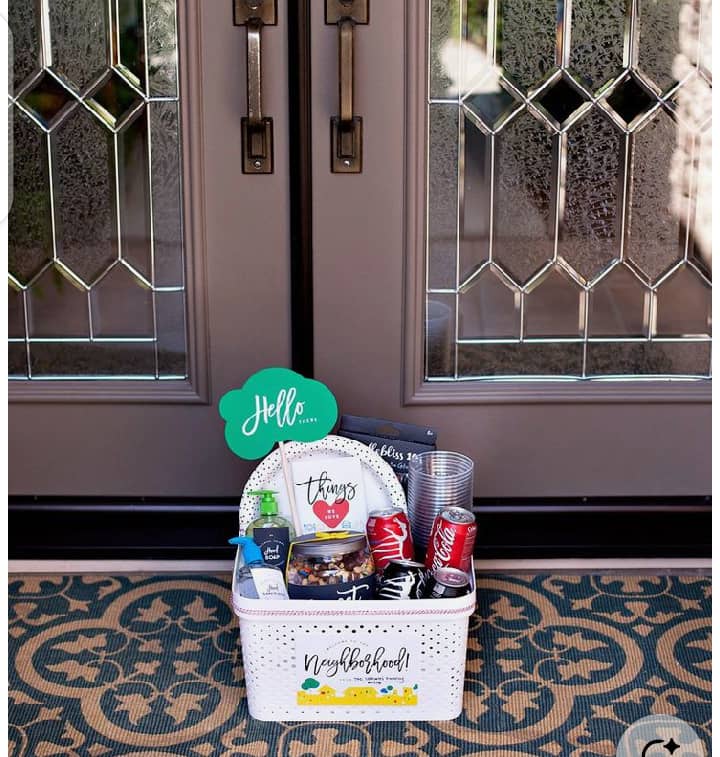
Welcome Kits
-
Printed rules
-
Emergency numbers
-
Community calendar
-
Local business directory
This professionalizes community integration.
Expert Tips for Welcoming New Neighbors in Nigeria
1. Start Small
Even a greeting and handshake is enough.
2. Be Authentic
Don’t make it transactional, be genuinely welcoming.
3. Use Youth and Women Groups
They often lead social integration effectively.
4. Avoid Overwhelming Newcomers
Give information gradually.
5. Maintain Ongoing Engagement
Welcoming is not a one-day event, it’s a continuous process.
Legal and Ethical Considerations in Nigeria
Data Privacy
Avoid sharing personal details without consent, especially on WhatsApp groups.
Security Vetting
Estates should verify residents through landlords or IDs for security reasons.
Community Rules
New residents should be informed of bylaws and expectations to avoid conflicts.
Frequently Asked Questions (FAQs)
Q1: What if a new neighbor seems unfriendly or suspicious?
Be polite but cautious. Inform estate security if necessary, but avoid profiling.
Q2: Should we add new neighbors to WhatsApp groups immediately?
Yes, but ensure admin approval and basic verification.
Q3: How can renters integrate in communities dominated by homeowners?
Invite them to meetings and events equally. Inclusion builds harmony.
Q4: What if a neighbor refuses engagement?
Respect their privacy, but keep communication channels open.
Q5: Can welcoming neighbors improve security?
Yes. Familiarity reduces crime and increases vigilance.
Why Welcoming New Neighbors Strengthens Nigerian Communities
Welcoming new residents:
-
Builds trust and cooperation
-
Reduces misunderstandings
-
Improves security and communication
-
Encourages participation in community development
-
Enhances social and economic interactions
In Nigeria, where government services are limited, neighbors are the first social institution people rely on.
Conclusion:
A Welcome Can Change Everything
In Nigerian culture, hospitality is a powerful tradition. Welcoming new neighbors is not just kindness, it is community leadership, social responsibility, and strategic security.
When new residents feel welcomed, they become protectors, contributors, and advocates for the neighborhood.
A simple greeting today can create a safer, happier, and stronger community tomorrow.

