

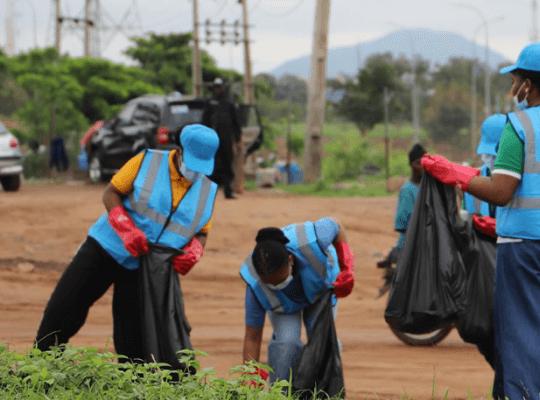
Introduction:
A Neighborhood Cleanup Day
A Complete Community Guide for Cleaner, Healthier Nigerian Communities
Across Nigeria, one of the biggest threats to neighborhood health and property value is improper waste management. Blocked drainages, illegal dumping, plastic pollution, and overgrown public spaces are common challenges in both urban and semi-urban areas.
From estates in Abuja to busy residential zones in Lagos, growing layouts in Port Harcourt, and older communities in Ibadan, maintaining a clean environment requires collective responsibility.
A Neighborhood Cleanup Day is one of the most practical and powerful ways to:
-
Improve sanitation
-
Reduce flooding risks
-
Prevent disease outbreaks
-
Strengthen community bonds
-
Boost property values
-
Promote civic responsibility
This comprehensive guide explains how to plan, execute, and sustain a successful neighborhood cleanup initiative in Nigeria.
Why Neighborhood Cleanup Days Matter in Nigeria
1. Public Health Protection
Poor waste disposal contributes to:
-
Malaria (due to stagnant water)
-
Cholera outbreaks
-
Typhoid fever
-
Respiratory infections
Blocked drainages during heavy rains often cause flooding, creating breeding grounds for mosquitoes.
Regular community cleanups reduce these risks significantly.
2. Flood Prevention
In cities like Lagos, blocked drainage systems are a major cause of seasonal flooding.
Removing plastics, debris, and sand buildup helps maintain water flow during rainy seasons.
3. Increased Property Value
Clean neighborhoods attract:
-
Buyers
-
Renters
-
Investors
A tidy estate signals responsible management and community pride.
4. Stronger Community Unity
When neighbors work together physically, relationships strengthen.
Shared effort builds trust.
Step 1: Identify the Specific Problem Areas
Before announcing a cleanup day, assess the neighborhood.
Look for:
-
Blocked gutters
-
Dumping sites
-
Overgrown bushes
-
Littered playgrounds
-
Clogged drainage channels
-
Abandoned waste piles
Document problem areas with photos.
Prioritize high-risk zones first.
Step 2: Form a Planning Committee
A structured approach ensures success.
Include:
-
Residents’ association executives
-
Youth representatives
-
Security personnel
-
Volunteer coordinators
-
Environmental-conscious residents
Assign roles such as:
-
Logistics
-
Communication
-
Tools & equipment
-
Waste disposal coordination
-
Refreshment coordination
-
Safety oversight
Clear leadership reduces confusion.
Step 3: Choose a Strategic Date and Time
Ideal options:
-
Saturday mornings
-
Public holidays (non-political)
-
Pre-rainy season weekends
In many parts of Nigeria, environmental sanitation exercises used to hold monthly. Reintroducing structured community cleanups helps revive that culture.
Schedule during cooler hours (7:00 AM – 11:00 AM).
Step 4: Secure Necessary Approvals and Partnerships
Depending on your area, you may need to:
-
Inform the residents’ association
-
Notify local government authorities
-
Coordinate with waste management agencies
-
Request support from environmental agencies
In major cities like Abuja, local environmental protection boards may assist with waste evacuation.
Proper coordination ensures collected waste is removed promptly.
Step 5: Gather Tools and Supplies
Essential materials include:
-
Gloves
-
Face masks
-
Rakes
-
Shovels
-
Cutlasses
-
Wheelbarrows
-
Trash bags
-
Reflective vests (optional)
-
Boots
Encourage residents to bring personal tools if available.
Safety must be prioritized.
Step 6: Communicate Clearly and Early
Promotion is critical.
Use:
-
Estate WhatsApp groups
-
Printed flyers
-
Posters at entrances
-
Door-to-door announcements
-
Social media pages
Highlight:
-
Date
-
Meeting point
-
Time
-
Dress code
-
Purpose
-
Expected duration
Emphasize collective responsibility rather than blame.
Step 7: Create Task Assignments
Divide volunteers into teams:
-
Drainage clearing team
-
Bush trimming team
-
Litter collection team
-
Waste bagging team
-
Safety monitoring team
Clear task allocation improves efficiency.
Step 8: Prioritize Safety Measures
During cleanup:
-
Avoid handling sharp objects with bare hands
-
Keep children supervised
-
Stay hydrated
-
Avoid direct contact with hazardous waste
-
Mark dangerous areas
If medical waste is discovered, report to appropriate authorities instead of handling it.
Step 9: Coordinate Waste Disposal
Cleaning without proper disposal defeats the purpose.
Arrange for:
-
Waste evacuation trucks
-
Dump site transport
-
Recycling collection where available
In areas of Port Harcourt, partnering with local waste contractors has improved sustainability of community cleanups.
Step 10: Involve Children and Youth
Children should be included (with supervision).
Benefits:
-
Early environmental education
-
Stronger sense of responsibility
-
Reduced littering habits
-
Community pride
Assign light tasks like picking small trash items or distributing water.
Youth participation ensures generational continuity.
Step 11: Add Community Engagement Elements
To boost participation:
-
Provide light refreshments
-
Play low-volume music
-
Take group photos
-
Offer small recognition awards
-
Celebrate milestones
Positive reinforcement encourages future involvement.
Step 12: Document the Event
Take:
-
Before-and-after photos
-
Short videos
-
Testimonials
Documentation serves as:
-
Motivation for future events
-
Evidence of progress
-
Content for estate newsletters
-
Proof of environmental responsibility
Step 13: Establish Ongoing Maintenance Plans
A single cleanup day is helpful but not enough.
Create:
-
Monthly mini-cleanups
-
Rotational volunteer teams
-
Designated sanitation monitors
-
Fine systems for illegal dumping (where applicable)
-
Waste disposal awareness campaigns
Consistency ensures lasting impact.
Real-Life Example: Estate Cleanup Initiative in Ibadan
In a mid-sized estate in Ibadan, flooding became a serious issue due to clogged gutters.
After organizing a quarterly cleanup day:
-
Drainage flow improved
-
Flooding reduced significantly
-
Malaria cases dropped
-
Property values stabilized
-
Community disputes reduced
Residents began taking ownership of public spaces.
Overcoming Common Challenges
1. Low Participation
Solution:
-
Lead by example
-
Recognize volunteers publicly
-
Create friendly competition between streets
-
Start small
2. Waste Reappears Quickly
Solution:
-
Educate residents
-
Install signage
-
Create penalties where necessary
-
Increase trash bin availability
3. Funding Issues
Solution:
-
Modest association contributions
-
Voluntary donations
-
Local sponsorships
-
Corporate social responsibility partnerships
4. Resistance from Residents
Solution:
-
Emphasize health and property value benefits
-
Avoid confrontational language
-
Highlight success stories
Legal and Environmental Considerations
Ensure compliance with:
-
Local waste disposal regulations
-
Environmental health guidelines
-
Noise control rules during activities
Communities that operate responsibly gain support from authorities.
Long-Term Benefits of Organized Cleanup Days
Consistent neighborhood sanitation leads to:
-
Reduced disease outbreaks
-
Lower mosquito breeding
-
Increased property appreciation
-
Stronger community relationships
-
Reduced security risks
-
Improved mental well-being
Clean environments influence behavior positively.
People are less likely to litter in already clean spaces.
Building a Culture of Environmental Responsibility
Cleanup days should not be isolated events.
Encourage:
-
Household waste sorting
-
Reduced plastic usage
-
Composting initiatives
-
Proper drainage maintenance
-
Environmental education for children
Culture change takes time but yields lasting benefits.
FAQs: Organizing a Neighborhood Cleanup Day
1. How often should we organize cleanup days?
Monthly or quarterly depending on community size.
2. What is the best time of year?
Before rainy seasons to prevent flooding.
3. Should participation be mandatory?
Encouraged strongly, but avoid forceful measures that create resentment.
4. Can children participate?
Yes, with supervision and light tasks.
5. What if some residents refuse?
Lead by example and focus on positive outcomes.
Conclusion
Organizing a Neighborhood Cleanup Day is one of the simplest yet most powerful actions Nigerian communities can take to improve public health, reduce flooding, enhance safety, and strengthen social bonds.
Clean neighborhoods are not accidental.
They are the result of:
-
Leadership
-
Participation
-
Consistency
-
Shared responsibility
From major cities like Lagos to smaller residential areas across the country, communities that prioritize sanitation enjoy better living standards and stronger unity.
A cleaner neighborhood reflects organized leadership and responsible residents.
And every great community begins with collective action.

