

Introduction:
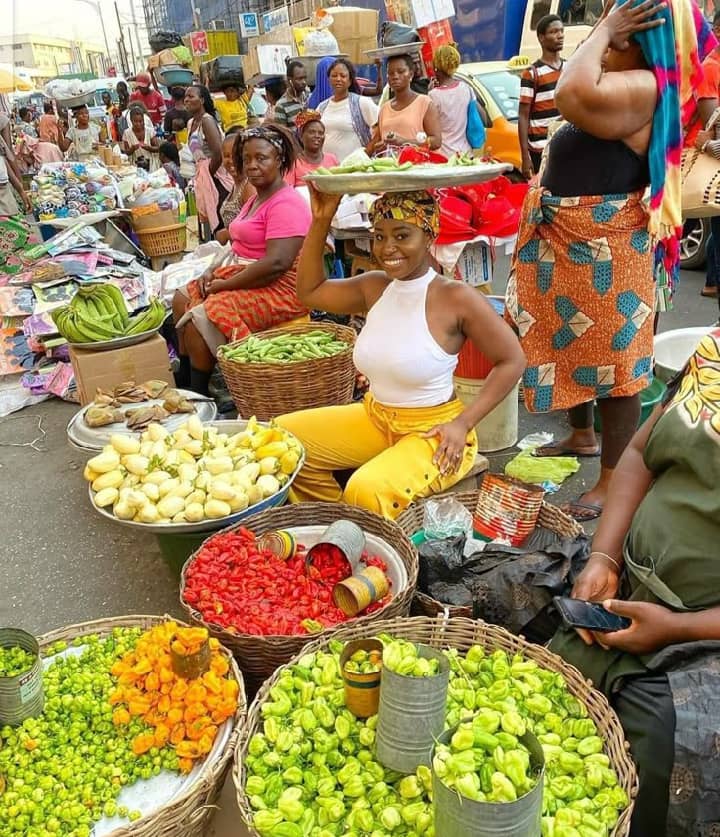
Business Showcase or Market
A Practical Community Guide for Nigerian Estates and Residential Areas
Across Nigeria, small businesses are the backbone of local economies. From home bakers and tailors to tech freelancers and mini-mart owners, many entrepreneurs operate quietly within residential neighborhoods.
Yet in cities like Lagos, Abuja, Port Harcourt, and Ibadan, residents often do not even know what services exist right next door.
A Neighborhood Business Showcase or Community Market is one of the most powerful ways to:
-
Support local entrepreneurs
-
Keep money circulating within the community
-
Strengthen neighbor relationships
-
Create networking opportunities
-
Increase safety through familiarity
-
Promote economic resilience
This guide provides a step-by-step framework for organizing a successful neighborhood business showcase in Nigerian estates and communities.
Why a Neighborhood Business Showcase Matters
Nigeria’s economy is heavily driven by small and medium-sized enterprises (SMEs). Many operate informally from homes, garages, and small shops.
However, challenges include:
-
Limited visibility
-
High marketing costs
-
Competition from large brands
-
Economic instability
A neighborhood showcase provides:
1. Exposure Without High Advertising Costs
Vendors market directly to residents.
2. Increased Trust
Buying from a known neighbor increases confidence.
3. Community Bonding
Business relationships often lead to social relationships.
4. Economic Circulation
Money stays within the neighborhood instead of flowing outward.
Understanding the Two Formats
Before planning, decide on your format:
1. Business Showcase (Display-Focused)
Entrepreneurs display products and services primarily for visibility and networking.
2. Community Market (Sales-Focused)
Vendors actively sell goods and services during the event.
Both formats can be combined.
Step 1: Form a Planning Committee
Successful events require structure.
Include:
-
Residents’ association executives
-
Volunteer residents
-
Security representatives
-
Vendor representatives
-
Youth volunteers
Clear roles prevent confusion.
Assign responsibilities for:
-
Logistics
-
Vendor coordination
-
Marketing
-
Security
-
Finance
-
Clean-up
Step 2: Identify Community Businesses
Start with a survey.
Ask residents:
-
What business do you run?
-
What services do you offer?
-
Would you like to participate?
You may discover:
-
Caterers
-
Fashion designers
-
Barbers
-
Tutors
-
Real estate agents
-
Fitness instructors
-
Photographers
-
Food vendors
-
Digital marketers
-
Cleaning services
In many estates in Abuja, internal directories have revealed dozens of hidden entrepreneurs.
Step 3: Choose the Right Location
Common options:
-
Estate playground
-
Open field
-
Community hall
-
Large parking area
-
Closed-off street section
Ensure:
-
Adequate space
-
Easy access
-
Proper drainage
-
Security visibility
-
Emergency exits
Safety should never be compromised.
Step 4: Secure Necessary Approvals
Depending on your location:
-
Get residents’ association approval
-
Inform local authorities if required
-
Coordinate with estate security
-
Ensure noise compliance
In some areas of Lagos, larger markets may require notification of local government authorities.
Always verify regulations to avoid last-minute shutdowns.
Step 5: Set Clear Event Guidelines
Establish rules covering:
-
Setup times
-
Closing times
-
Noise limits
-
Cleanliness requirements
-
Payment methods
-
Security procedures
Written guidelines prevent disputes.
Step 6: Budget Planning
Even small events incur costs.
Possible expenses:
-
Tents
-
Chairs
-
Tables
-
Sound system
-
Generator fuel
-
Security personnel
-
Printing materials
-
Cleaning crew
Decide funding model:
-
Vendor participation fees
-
Residents’ association support
-
Sponsorship from larger businesses
-
Voluntary donations
Keep fees affordable to encourage participation.
Step 7: Promote the Event Effectively
Promotion determines attendance.
Use:
-
Estate WhatsApp groups
-
Posters at entrances
-
Email newsletters
-
Flyers in mailboxes
-
Social media posts
-
Word-of-mouth
Highlight:
-
Date
-
Time
-
Location
-
Vendor highlights
-
Special attractions
Early and consistent communication builds excitement.
Step 8: Curate Vendor Diversity
A successful showcase offers variety.
Encourage participation from:
-
Food vendors
-
Service providers
-
Artisans
-
Children’s businesses (e.g., lemonade stands)
-
Health and wellness providers
-
Technology services
Diversity attracts wider attendance.
Step 9: Include Entertainment and Engagement
A business showcase should feel lively.
Consider:
-
Live acoustic music (within noise limits)
-
Children’s play zone
-
Raffle draws
-
Business pitch sessions
-
Cooking demonstrations
-
Mini fashion shows
In estates in Port Harcourt, combining markets with cultural performances has increased attendance significantly.
Step 10: Ensure Security and Crowd Control
Security planning includes:
-
Gate monitoring
-
Visitor sign-in
-
Parking management
-
Emergency contacts
-
Clear walkways
Coordinate closely with estate security teams.
Safety builds confidence in future events.
Step 11: Provide Payment Flexibility
Modern Nigerian consumers prefer flexible payments.
Encourage vendors to accept:
-
Bank transfers
-
POS payments
-
Mobile payments
-
Cash
Reliable internet access enhances smooth transactions.
Step 12: Maintain Cleanliness and Waste Management
Provide:
-
Trash bins
-
Recycling bins where possible
-
Clean-up teams
-
Vendor waste disposal guidelines
A clean event reflects professionalism.
Step 13: Document the Event
Capture:
-
Photos
-
Videos
-
Vendor testimonials
-
Customer feedback
Use content for:
-
Future promotion
-
Estate archives
-
Social media marketing
Visual documentation builds credibility.
Step 14: Gather Feedback After the Event
Distribute simple surveys asking:
-
What worked well?
-
What can improve?
-
Should the event be recurring?
Continuous improvement ensures long-term success.
Real-Life Scenario: Estate Market in Benin
In a medium-sized estate in benin, a quarterly market was introduced after residents complained about traveling long distances for basic services.
Within six months:
-
Vendors reported 30% increase in regular customers
-
Residents discovered new local services
-
Youth volunteers gained event management experience
-
Security familiarity improved
The event became a permanent calendar feature.
Benefits Beyond Sales
A neighborhood showcase creates:
-
Networking opportunities
-
Collaboration between entrepreneurs
-
Referral systems
-
Youth mentorship
-
Community pride
Businesses thrive when relationships thrive.
Common Challenges and Solutions
1. Low Vendor Participation
Solution: Start small. Highlight success stories.
2. Poor Attendance
Solution: Improve promotion and scheduling.
3. Noise Complaints
Solution: Set strict sound guidelines.
4. Parking Issues
Solution: Assign volunteers to manage traffic.
5. Disputes Over Space
Solution: Allocate stalls fairly in advance.
Preparation minimizes friction.
Turning It Into a Recurring Event
If successful, consider:
-
Monthly mini-markets
-
Quarterly large showcases
-
Themed markets (e.g., Christmas Market, Back-to-School Fair)
-
Women-owned business spotlight events
-
Youth entrepreneur showcases
Consistency builds anticipation.
Legal and Regulatory Considerations in Nigeria
Depending on scale:
-
Food vendors may require hygiene compliance
-
Larger events may require local permits
-
Noise levels must comply with state regulations
Consult local environmental and trade authorities if unsure.
Compliance protects reputation.
Building Long-Term Economic Ecosystems
A showcase can evolve into:
-
A neighborhood business directory
-
A referral network
-
A cooperative buying group
-
Shared delivery services
-
Joint marketing campaigns
Communities that support internal businesses become more economically resilient.
FAQs: Neighborhood Business Showcase
1. How many vendors should we start with?
Even 5–10 vendors are enough for a first event.
2. Should non-residents be allowed?
Depends on security and association policy.
3. How long should the event last?
Typically 4–6 hours.
4. What is the best day?
Weekends usually attract higher attendance.
5. How do we handle disputes?
Create a mediation subcommittee beforehand.
Long-Term Community Impact
When neighbors buy from neighbors:
-
Trust increases
-
Safety improves
-
Relationships deepen
-
Economic stability strengthens
Community markets are not just commercial events.
They are social investments.
Conclusion
Organizing a Neighborhood Business Showcase or Market is one of the most practical ways to strengthen Nigerian communities.
It promotes:
-
Local entrepreneurship
-
Economic circulation
-
Social bonding
-
Youth engagement
-
Estate pride
With proper planning, transparency, and collaboration, even small estates can create powerful economic ecosystems.
Strong neighborhoods are not built only through infrastructure, they are built through relationships, cooperation, and shared prosperity.

