

Introduction:
Why Outdoor Lighting Is a Security Tool, Not Just Decoration
In many Nigerian neighborhoods, darkness is more than just the absence of light, it can be an opportunity for crime. From estates in Ibadan and Abuja to streets in Kano, Port Harcourt or Enugu, poor lighting is one of the most common security weaknesses.
Criminals prefer dark areas to perform their evil act. It gives them cover, reduces visibility, and makes residents feel unsafe. Yet, many homeowners and communities underestimate how powerful outdoor lighting can be.
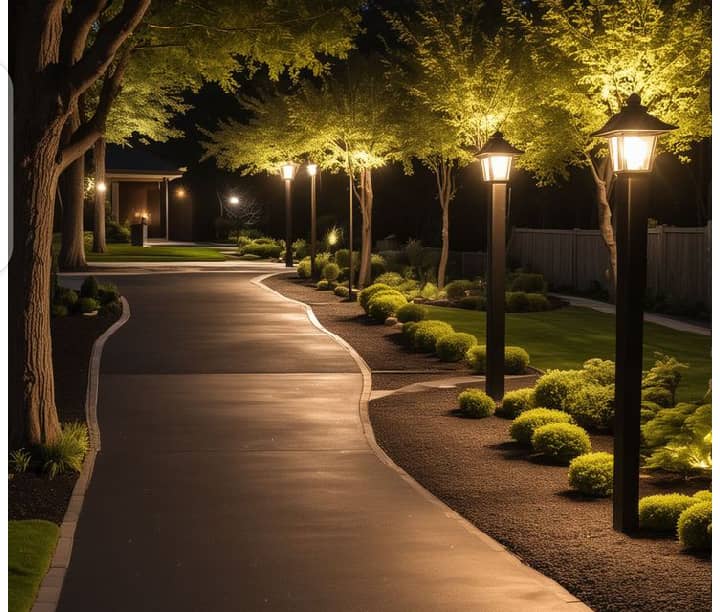
Good outdoor lighting does not only beautify your property, it deters crime, improves visibility, and creates a safer environment for everyone on your street.
This article will explain how outdoor lighting improves security, the best lighting strategies for Nigerian homes and estates, budget-friendly options, and how communities can collaborate to light up entire neighborhoods.
1. How Outdoor Lighting Improves Security
Outdoor lighting is one of the simplest and most effective crime prevention tools.
It helps in several ways:
-
Deterrence: Criminals avoid well-lit areas because they are easily seen.
-
Visibility: Residents can see suspicious movement early.
-
Surveillance: CCTV cameras work better with good lighting.
-
Psychological Safety: People feel more comfortable walking at night.
In Nigerian cities where power supply can be inconsistent, smart lighting choices can still make a big difference.
2. Key Areas Around Your Home That Must Be Well-Lit
Many homeowners only light their front porch. That is not enough. If only the front lit what happens to the rest of the other part of the house.
a. Front Entrance and Gate
This is the first point of access. Good lighting here discourages unauthorized entry and helps residents identify visitors.
b. Driveways and Parking Areas
Dark parking areas are common targets for theft and vandalism.
c. Walkways and Pathways
Lighting pathways prevents accidents and increases visibility for night movement.
d. Backyards and Side Areas
Criminals often use dark side alleys or backyards to enter properties unnoticed.
e. Street Frontage
Lighting outside your fence contributes to the overall safety of the street.
3. Types of Outdoor Security Lighting
Understanding lighting types helps you make smart choices.
a. Motion Sensor Lights
These lights turn on when they detect movement.
Benefits:
-
Surprise intruders
-
Save energy
-
Ideal for gates and backyards
b. Solar-Powered Lights
Perfect for Nigeria’s power challenges.
Benefits:
-
No electricity bills
-
Works during power outages
-
Easy to install
c. LED Floodlights
Bright lights that cover large areas.
Benefits:
-
Long lifespan
-
Low energy consumption
-
Ideal for streets and large compounds
d. Decorative Security Lights
Lights that beautify your home while providing illumination.
Benefits:
-
Enhances curb appeal
-
Improves nighttime visibility
4. Budget-Friendly Lighting Options for Nigerian Homes
You don’t need millions of naira to secure your home.
Affordable options include:
-
Solar garden lights
-
Rechargeable motion lights
-
Battery-powered LED bulbs
-
Reflective paint and light-colored walls
-
Community-shared street lights
Even small investments can improve security significantly.
5. Lighting Strategies for Entire Neighborhoods
Security is stronger when the whole community participates.
a. Community Street Lighting Projects
Residents can pool funds to install solar street lights. This is common in estates and growing communities.
b. Lighting Policy Guidelines
Communities can create guidelines requiring homeowners to keep external lights on at night.
c. Shared Security Lighting
Install powerful lights at strategic junctions, gates, and common areas.
6. How Outdoor Lighting Reduces Crime in Nigerian Communities
Studies and real-life experiences show that well-lit neighborhoods experience fewer crimes.
Reasons:
-
Criminals fear identification
-
CCTV footage becomes clearer
-
Neighbors can notice suspicious activity
-
Police and security patrols are more effective
In many Nigerian estates, security lights have reduced burglary attempts and street theft.
7. Common Mistakes People Make with Outdoor Lighting
a. Poor Placement
Lights should cover entry points, not just decorative areas.
b. Insufficient Brightness
Dim lights do not deter criminals.
c. No Backup Power
Without solar or batteries, lights fail during power outages.
d. Ignoring Maintenance
Dust, rain, and insects reduce brightness. Clean lights regularly.
8. Smart Lighting Technology for Modern Nigerian Homes
Technology can make lighting more effective.
Smart features include:
-
App-controlled lights
-
Timers and schedules
-
Integration with CCTV
-
Motion alerts
-
Energy monitoring
These features are becoming affordable and popular in urban Nigerian homes.
9. Real-Life Nigerian Community Scenario
Imagine a quiet estate in Ibadan. Several houses experienced nighttime theft from parked cars. Residents decided to install solar floodlights at gates and street corners. Within weeks, suspicious activity reduced drastically. Security guards reported better visibility, and residents felt safer walking at night.
This simple lighting project transformed the community.
10. How CircleNearby Can Support Community Lighting Initiatives
Digital community platforms can:
-
Raise funds for lighting projects
-
Announce lighting maintenance schedules
-
Report broken lights
-
Coordinate community volunteers
-
Track security incidents
Lighting becomes part of a smart neighborhood safety strategy, not just individual efforts.
11. Environmental Benefits of Outdoor Lighting
Modern lighting solutions can be eco-friendly.
Benefits include:
-
Solar lights reduce electricity consumption
-
LED lights use less energy
-
Better lighting reduces accidents and emergency services usage
This aligns with sustainable community living.
12. Tips for Homeowners Renting or Living in Compounds
Even if you don’t own the property:
-
Install rechargeable porch lights
-
Advocate for shared lighting with landlords
-
Contribute to community projects
-
Use motion lights for personal safety
Tenants can still influence neighborhood security.
13. Lighting for Rural and Semi-Urban Nigerian Areas
In villages and semi-urban towns, solar lighting is transformative. It improves:
-
Nighttime movement
-
Security
-
Social activities
-
Small business operations
Community solar lighting projects can change lives.
14. Combining Lighting with Other Security Measures
Lighting works best with:
-
CCTV cameras
-
Security guards
-
Neighborhood watch groups
-
Secure gates and fences
-
Digital reporting platforms like CircleNearby
Security is a system, not a single solution.
15. How to Start a Community Lighting Project
Step-by-step:
-
Identify dark spots
-
Get community approval
-
Get quotes for solar lights
-
Raise funds or seek sponsors
-
Install lights
-
Assign maintenance roles
Small projects can grow into large safety initiatives.
Conclusion:
Light Up Your Home, Protect Your Community
Outdoor lighting is more than decoration, it is a powerful security tool, a symbol of community care, and a foundation for safe neighborhoods. In Nigeria, where security challenges are real, lighting is one of the most affordable and effective solutions.
When homes and streets are well-lit, criminals feel exposed, residents feel confident, and communities thrive. Whether through individual efforts or community projects, every light added contributes to a safer environment.
CircleNearby and similar platforms can help coordinate lighting initiatives, report faults, and keep residents informed, transforming simple bulbs into a network of community safety.
Your street can be safer tonight, just by turning on the light.

