

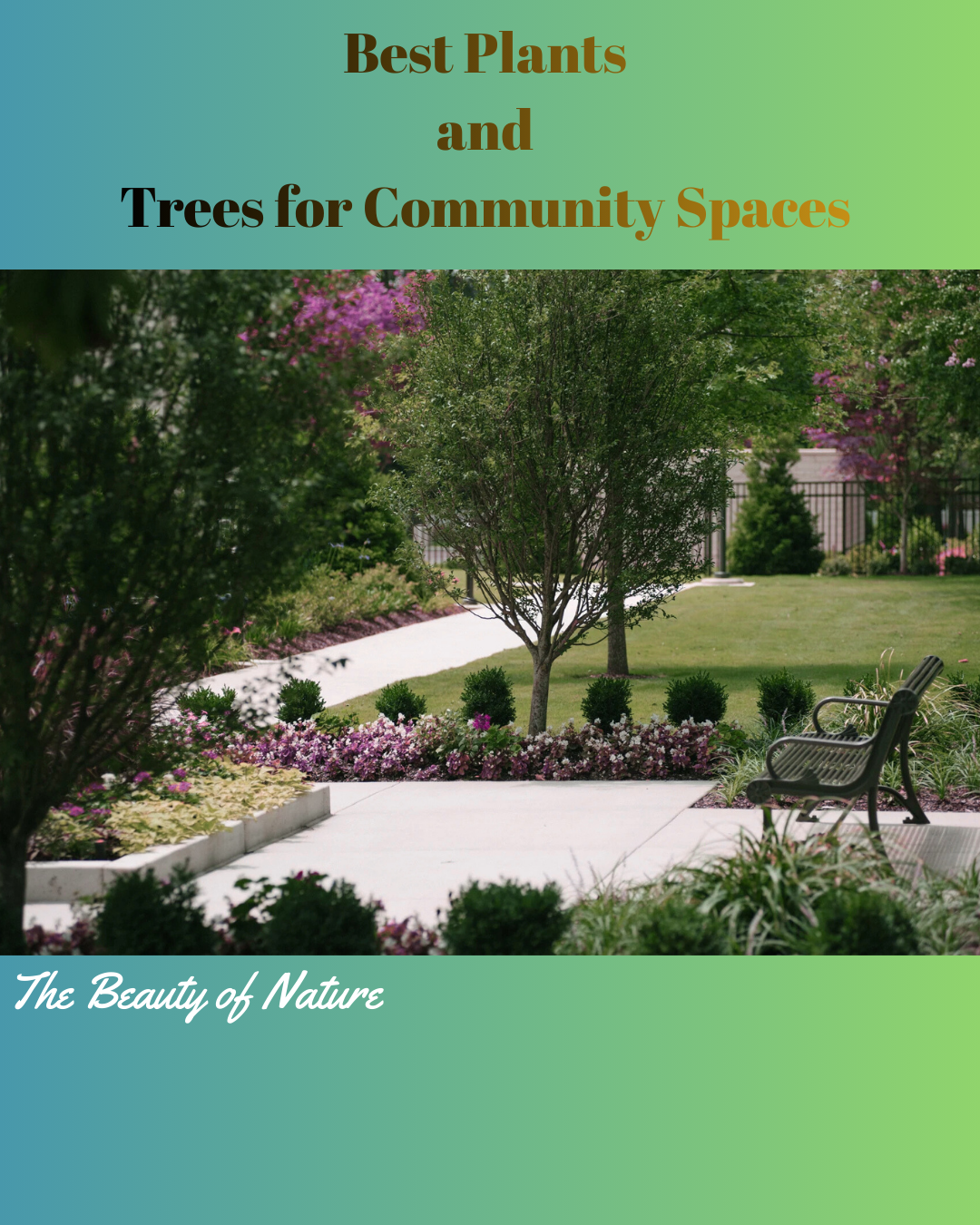
(How to Plan, Plant, and Sustain Green Spaces That Transform Communities)
Introduction:
Why Community Greening Matters in Nigeria Today
Across Nigeria, rapid urban development has reshaped cities and neighborhoods. From expanding estates in Lagos to new layouts in Abuja, and growing communities in Port Harcourt, Ibadan, and Enugu, concrete structures increasingly replace natural greenery.
While development brings opportunity, it also introduces:
- Rising temperatures
- Dust and air pollution
- Reduced shade
- Limited outdoor gathering spaces
- Increased flooding from poor drainage
Community greening is the intentional effort to introduce and maintain plants, trees, and landscaped spaces within shared environments.
It is not just about beautification.
It is about climate resilience, health, safety, and social connection.
This guide provides a comprehensive roadmap for Nigerian communities to plan, implement, and sustain successful greening initiatives.
What Is Community Greening?
Community greening refers to collective efforts by residents to improve shared spaces through:
- Tree planting
- Garden development
- Landscaping
- Urban agriculture
- Beautification projects
It can happen in:
- Residential estates
- Shared compounds
- Streets
- School grounds
- Religious centers
- Market environments
- Public parks
Community greening transforms underused or neglected spaces into functional, welcoming environments.
The Benefits of Community Greening in Nigeria
1. Natural Cooling and Shade
Nigeria’s tropical climate makes shade essential. Properly placed trees reduce surface temperatures and create cooler microclimates.
This is particularly important in densely built areas of Kano and Lagos where heat retention is high.
2. Improved Air Quality
Trees and shrubs absorb dust, carbon dioxide, and pollutants. In urban centers with heavy traffic, this is crucial.
3. Flood Reduction and Soil Stability
Green spaces absorb rainwater and reduce surface runoff. This helps minimize flooding during heavy rainy seasons.
4. Increased Property Value
Well-maintained green environments increase property appeal and rental demand.
5. Social Cohesion
Community projects build:
- Trust
- Collaboration
- Shared responsibility
- Stronger neighborhood bonds
When residents plant together, they grow together.
Step 1: Assess Your Community’s Needs
Before planting, conduct a simple evaluation.
Ask These Questions:
- Which areas lack shade?
- Are there flooding problems?
- Where do children play?
- Are there unused empty plots?
- What spaces look neglected?
Walk around your neighborhood and document:
- Sun exposure patterns
- Soil condition
- Drainage layout
- Available space
Understanding your environment prevents costly mistakes.
Step 2: Form a Greening Committee
Sustainable greening requires structure.
Create a small working group including:
- Estate executives
- Volunteers
- Parents
- Youth representatives
- Security personnel
Assign roles such as:
- Project coordinator
- Finance lead
- Plant selection advisor
- Maintenance supervisor
Shared leadership prevents burnout.
Step 3: Set Clear Goals
Your greening initiative might aim to:
- Provide shade for children
- Beautify estate entrances
- Reduce erosion
- Improve air quality
- Grow fruit for community use
- Create relaxation zones
Clear goals guide plant selection and layout decisions.
Step 4: Choose the Right Plants and Trees
Selecting climate-appropriate plants is critical.
Best Shade Trees for Nigerian Communities
Neem Tree (Dogonyaro)
- Highly drought-resistant
- Thrives in various regions
- Dense shade
- Pest-repelling properties
Tropical Almond Tree (Terminalia catappa)
- Wide canopy
- Attractive seasonal leaf color
- Strong structure
Ideal for large open spaces.
Moringa (Moringa oleifera)
- Fast-growing
- Nutritional benefits
- Suitable for gardens and schools
Flame Tree (Delonix regia)
- Vibrant red flowers
- Broad canopy
- Best planted away from buildings
Decorative Shrubs and Plants
- Hibiscus (colorful and hardy)
- Croton (vibrant foliage)
- Ixora (flower clusters)
- Bougainvillea (drought-tolerant)
Ground Covers
- Durable grass varieties
- Periwinkle (Vinca)
- Spider plants
Ground covers reduce erosion and dust.
Fruit Trees for Community Gardens
- Mango
- Guava
- Orange
- Pawpaw
Fruit trees encourage participation and food awareness.
Step 5: Plan the Layout Strategically
Avoid random planting.
Consider:
- Tree spacing
- Root growth direction
- Drainage pathways
- Pedestrian walkways
- Visibility for security
Do not plant large trees:
- Too close to buildings
- Near underground drainage
- Under power lines
Professional consultation may be helpful for large projects.
Step 6: Budget Planning
Community greening can be affordable with proper planning.
Cost Considerations:
- Seedlings or saplings
- Soil improvement
- Tools
- Watering systems
- Protective fencing
Ways to Reduce Cost:
- Buy from local nurseries
- Plant during rainy season
- Use compost from organic waste
- Seek donations
- Partner with local businesses
Start small and scale gradually.
Step 7: Organize a Community Planting Day
Make planting a social event.
Planning Tips:
- Choose a weekend
- Inform residents early
- Assign planting zones
- Provide simple refreshments
- Involve children
Planting days build pride and shared ownership.
Step 8: Establish a Maintenance Plan
Planting is easy. Maintenance ensures survival.
Create a schedule for:
- Watering
- Pruning
- Fertilizing
- Weeding
- Replacing dead plants
Assign rotating responsibilities.
You may involve:
- Youth groups
- School eco-clubs
- Volunteer residents
Consistency determines success.
Step 9: Protect Young Plants
Young trees are vulnerable.
Protect them using:
- Wooden guards
- Wire mesh
- Simple fencing
- Clear signage
Prevent damage from:
- Football games
- Vehicles
- Livestock
Protection during the first two years is crucial.
Step 10: Monitor Impact
Track improvements such as:
- Reduced dust
- Cooler shaded areas
- Increased outdoor use
- Positive resident feedback
Visible impact sustains enthusiasm.
Addressing Common Challenges
1. Water Scarcity
Solutions:
- Plant during rainy season
- Use water retention mulch
- Collect rainwater
2. Vandalism
Solutions:
- Involve youth in planting
- Create community awareness
- Install basic signage
People protect what they help build.
3. Funding Limitations
Solutions:
- Small monthly contributions
- Fundraisers
- Sponsorship from local businesses
Partnering With Schools and Religious Centers
Schools and faith-based institutions are powerful allies.
They provide:
- Space
- Volunteers
- Educational integration
Environmental education builds long-term sustainability.
Environmental and Climate Impact
Urban greenery combats:
- Heat island effect
- Air pollution
- Flooding
- Soil degradation
In fast-growing cities like Abuja and Lagos, green spaces are essential for climate adaptation.
Community Greening and Security
Well-maintained landscapes:
- Improve visibility
- Discourage illegal dumping
- Reduce hiding spots
- Increase neighborhood pride
Clean, green environments often experience lower vandalism.
Long-Term Sustainability Strategy
To ensure longevity:
- Review progress annually
- Replace aging plants
- Expand gradually
- Train new volunteers
- Document lessons learned
Greening is not a one-time event, it is ongoing stewardship.
Measuring Success
Success indicators include:
- Thriving trees after two years
- Active volunteer participation
- Increased outdoor gatherings
- Positive feedback from residents
- Cleaner surroundings
Impact compounds over time.
The Social Transformation Effect
When communities invest in greenery, they create:
- Safe gathering spaces
- Cooler play areas
- Outdoor relaxation zones
- Educational opportunities
Green spaces influence lifestyle.
Children play outside more.
Neighbors talk more.
Communities strengthen.
Conclusion:
Growing a Future Together
Community greening is one of the most practical, affordable, and impactful neighborhood improvement initiatives available in Nigeria.
It addresses environmental challenges, strengthens social bonds, enhances property value, and improves quality of life.
From planting a single Neem tree to developing a full community garden, every effort counts.
Green spaces are not just about trees.
They are about shared responsibility, pride, and legacy.
When Nigerian neighborhoods choose to plant intentionally and maintain collectively, they grow more than greenery, they grow resilience, unity, and hope for future generations.

