

(How to Involve the Whole Neighborhood and Build Strong Community Bonds)
Introduction:
Why Yard Sales Can Transform Nigerian Neighborhoods
In many countries, yard sales are a common weekend activity. Families bring out items they no longer use, display them in front of their homes, and sell them at affordable prices. In Nigeria, however, the concept of a “yard sale” is still relatively uncommon. Instead, people often rely on online marketplaces, thrift markets, or informal street traders to sell second-hand items.
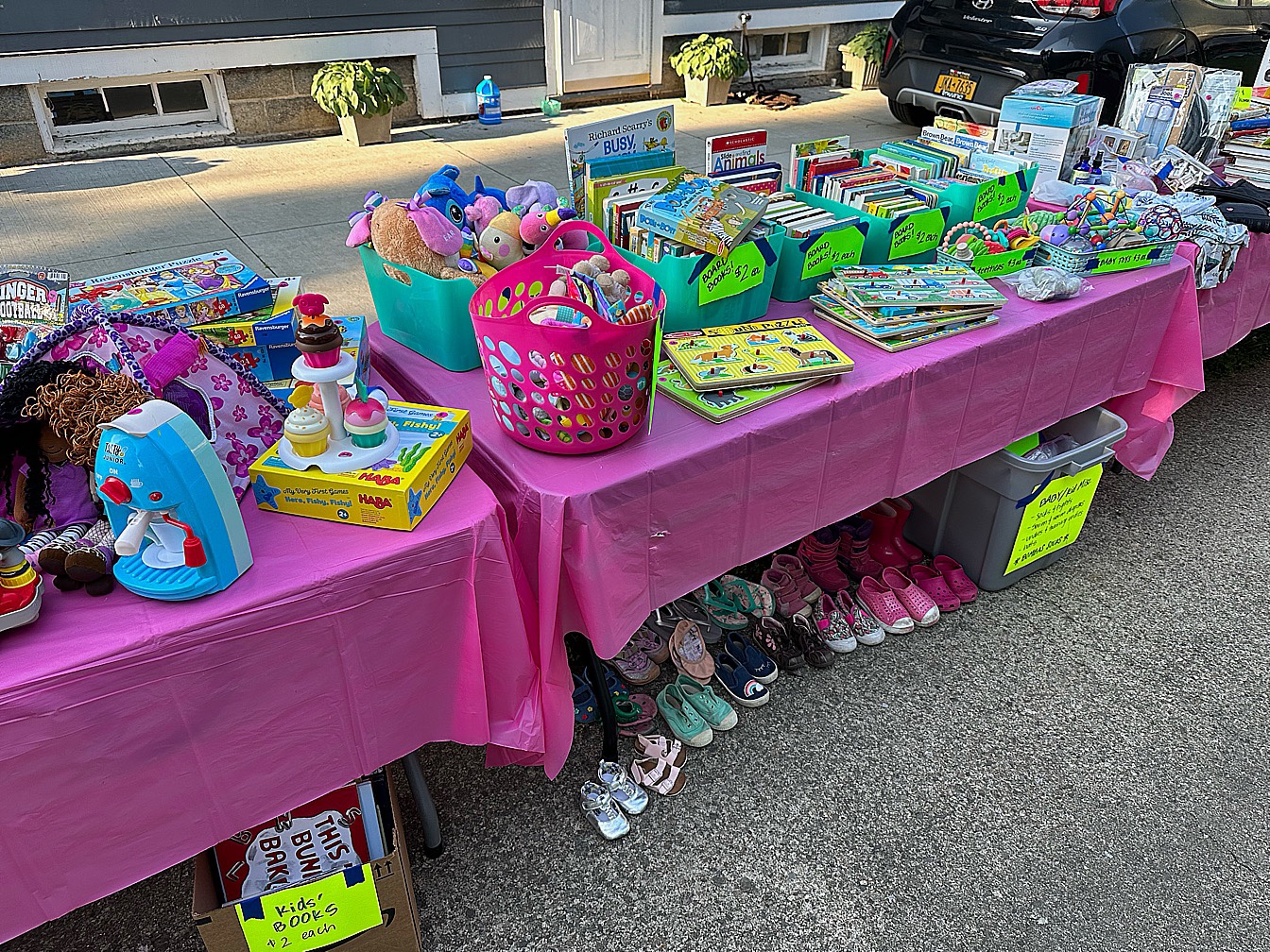
But imagine this: a sunny Saturday morning in an Ibadan compound, a Lekki estate, or an Abuja street. Tables lined with clothes, toys, books, kitchen utensils, and electronics. Neighbors chatting, children laughing, music playing softly in the background. People not just buying and selling but reconnecting.
That is the real power of a neighborhood yard sale in Nigeria.
A well-organized yard sale can do much more than declutter homes and generate extra income. It can strengthen community ties, teach children valuable life skills, promote sustainability, and create a shared neighborhood tradition.
This comprehensive guide explains how Nigerian communities estates, streets, and compounds can host a successful yard sale and involve everyone, from children to elders, in a meaningful and organized way.
1. Understanding the Concept of a Neighborhood Yard Sale in Nigeria
A yard sale is a community-organized event where residents sell gently used items from their homes in a shared public space. Unlike online selling, it is physical, social, and interactive.
In Nigeria, yard sales can be adapted to:
- Estate frontages
- Shared compounds
- Community halls
- Quiet residential streets
- Open fields or playgrounds
Because Nigerians already have strong social structures, a yard sale naturally fits into the culture of communal living.
2. Why Yard Sales Are Powerful for Nigerian Communities (Opinionated Insight)
Many Nigerian communities struggle with:
- Weak social interaction among neighbors
- Cluttered homes and unused items
- Limited income opportunities
- Poor community engagement
A yard sale solves all four problems at once.
In estates where people barely greet each other, a yard sale can break social barriers. In compounds where children have no structured activities, it becomes a learning experience. In low-income neighborhoods, it provides a micro-economic opportunity.
Yard sales are not just about selling items, they are about reviving the culture of community living in modern Nigeria.
3. The Nigerian Neighborhood Yard Sale Framework
The 7-Step Community Yard Sale Model
- Start with community conversations
- Form a small organizing team
- Choose a date, time, and location
- Mobilize residents and items
- Organize the physical setup
- Promote the event locally and digitally
- Reflect, donate leftovers, and build tradition
This framework ensures the event is organized, inclusive, and sustainable.
4. Step 1: Start With a Conversation, Not a Plan
Use Existing Communication Channels
In Nigeria, communities already have:
- WhatsApp groups
- Residents Association meetings
- Compound evening chats
- Church or mosque gatherings
Introduce the idea casually:
“What if we organize a community yard sale to sell things we no longer use?”
Ask Inclusive Questions
Questions to spark interest:
- Would you be interested in selling unused items?
- What day works best for most people?
- Would you prefer a compound or street setup?
When residents feel consulted, they become co-owners of the idea.
5. Step 2: Form a Small Yard Sale Committee
Who Should Be Involved?
Include:
- Homeowners and tenants
- Youth leaders
- Women groups
- Elders or landlords
- Children representatives
This ensures inclusiveness and prevents misunderstandings.
Assign Simple Roles
Roles can include:
- Event coordinator
- Promotion and communication team
- Logistics and setup team
- Children and youth coordinator
- Finance and donations coordinator
You don’t need a formal structure, just shared responsibility.
6. Step 3: Choose a Date and Location That Works for Everyone
Best Days and Times in Nigeria
- Saturdays or public holidays
- Mid-morning (9 AM – 2 PM)
Avoid Sunday mornings (church) and Friday afternoons (Jumu’ah prayers).
Suitable Locations
Options include:
- Shared compound spaces
- Quiet residential streets (with permission)
- Estate open grounds
- School playgrounds (with approval)
- Large frontages of volunteer neighbors
Nigerian Scenario: Ibadan Compound
Residents blocked a small internal road for two hours with cones and organized tables on both sides, while ensuring emergency access.
7. Step 4: Encourage Everyone to Declutter and Participate
Common Items Nigerians Can Sell
- Clothes and shoes
- Kitchen utensils
- School books and stationery
- Toys and baby items
- Small electronics (phones, chargers, radios)
- Furniture and home decor
Cultural Insight
Nigerians often keep unused items “just in case.” A yard sale encourages a mindset shift toward reuse and sharing.
Emotional Angle
Remind residents:
“Your unused shoe could help a student who cannot afford a new one.”
This encourages participation beyond profit.
8. Step 5: Organize the Physical Space Neatly
Presentation Matters
Even in informal Nigerian settings, organized displays attract buyers.
Use:
- Tables
- Mats
- Wooden boards
- Cartons
- Plastic chairs
Categorize Items
Group items into:
- Clothing section
- Children’s items
- Kitchen items
- Electronics
- Books and learning materials
This makes browsing easier and more professional.
Price Labeling
Use:
- Stickers
- Paper tags
- Chalkboards
Clear pricing reduces unnecessary bargaining.
9. Step 6: Promote the Yard Sale Together
Digital Promotion
Use:
- Neighborhood WhatsApp groups
- Community Facebook pages
- CircleNearby community feed
- Local Telegram groups
Offline Promotion
- Flyers on notice boards
- Word-of-mouth invitations
- Announcements in churches and mosques
Information to Share
- Date and time
- Location
- Types of items available
- Special attractions (kids corner, snacks, donations)
10. Step 7: Make It a Social and Cultural Event
Create a Relaxed Atmosphere
- Play light music
- Sell homemade snacks and drinks
- Provide seating areas
Encourage Conversations
Yard sales naturally create conversation spaces. Neighbors who never spoke before will interact over items.
Opinionated Insight:
Many Nigerian estates lack organic social spaces. Yard sales can become a powerful social glue.
11. Involving Children and Teaching Life Skills
Roles for Kids
- Sorting toys
- Managing a children’s stall
- Helping buyers
- Recording simple sales
Skills Children Learn
- Basic money management
- Communication and negotiation
- Responsibility and teamwork
- Sustainability and reuse culture
This is informal entrepreneurship training.
12. Agree on Community Rules Early
Suggested Rules
- Everyone handles their own sales
- Shared costs are split fairly
- No blocking entrances or emergency routes
- Respect pricing and bargaining decisions
- Maintain cleanliness
Conflict Prevention
Clear rules prevent disputes over space, noise, and money.
13. Sustainability: Donating Unsold Items
Donation Options
- Orphanages
- Religious institutions
- Community support groups
- Low-income families
Social Impact
This transforms the yard sale into a community charity initiative, strengthening trust and goodwill.
14. Reflect, Improve, and Build a Tradition
Post-Event Review
Ask:
- What worked?
- What didn’t?
- Should we repeat quarterly or yearly?
Long-Term Community Tradition
Successful communities can institutionalize yard sales as:
- Annual community markets
- Back-to-school fairs
- End-of-year clearance events
15. Nigerian Real-Life Mini Case Studies
Case Study 1: Abuja Estate Yard Sale
Residents organized a quarterly yard sale. Over ₦2 million worth of items were sold, and social interaction increased significantly. The yards sale has now become an event everyone looks forward to. As money is made more connections and network is built.
Case Study 2: Ilorin Compound Community Sale
Families sold school books and uniforms. Proceeds funded compound security lights. Each time there is a yard sale people know they will also be an infrastructural change that comes.
Case Study 3: Abia Hybrid Community Market
Residents combined yard sales with small businesses, creating a mini neighborhood market day. This yard sale is no longer an event but had now become a full blown market where people can get daily needs without having to go far away from home to get things they need.
16. The Role of Digital Platforms Like CircleNearby
CircleNearby can:
- Announce events
- Register sellers
- Map stall locations
- Enable community polls
- Track donations and feedback
Digital coordination transforms informal sales into organized community events.
17. Economic and Social Benefits of Neighborhood Yard Sales
Micro-Income Generation
Residents earn extra money without formal business setup.
Circular Economy
Items are reused instead of wasted, promoting sustainability.
Social Capital
Neighbors build trust, friendships, and collaboration.
Community Development
Funds can support security, sanitation, or children’s programs.
18. Challenges and How to Overcome Them
Cultural Resistance
Some Nigerians may see yard sales as “second-hand culture.”
Solution: Emphasize sustainability and community bonding.
Security Concerns
Open events attract outsiders.
Solution: Use volunteers or estate security for monitoring.
Logistics Issues
Space and organization challenges.
Solution: Use staggered stalls and clear layouts.
Conflict Over Space or Noise
Solution: Set rules and involve community leaders early.
19. Expert Tips for Hosting a Successful Nigerian Yard Sale
Tip 1: Combine With Other Activities
Add children’s games, food stalls, or cultural performances.
Tip 2: Partner With Local Businesses
Invite small vendors to sponsor refreshments or provide tents.
Tip 3: Use Community Branding
Create a simple name like “Greenfield Estate Market Day.”
Tip 4: Track Impact
Record sales, participation, and donations to measure success.
Tip 5: Use Digital Tools
CircleNearby can help with coordination, reminders, and feedback.
20. Frequently Asked Questions (FAQs)
Q1: Are yard sales legal in Nigerian neighborhoods?
Yes. As long as they do not block roads or disturb public order.
Q2: Do we need government permission?
Usually no for small community events, but estates may require RA approval.
Q3: Can tenants participate?
Absolutely. Yard sales should be inclusive of homeowners and tenants.
Q4: How often should communities host yard sales?
Quarterly or annually is ideal.
Q5: What if some neighbors refuse to participate?
Participation should be voluntary. Even a few participants can start the tradition.
Q6: Can yard sales support community projects?
Yes. Communities can donate a portion of proceeds to security, sanitation, or social projects.
Conclusion:
Yard Sales as a Tool for Community Building in Nigeria
Hosting a yard sale in a Nigerian neighborhood is far more than a buying-and-selling activity. It is a community-building tool, an educational platform for children, a sustainability initiative, and a micro-economic opportunity.
In a country where urbanization is increasing and neighborly connections are weakening, yard sales offer a simple but powerful way to revive community spirit.
When residents come together to declutter, share, sell, and socialize, they create more than a market, they create a connected, resilient, and vibrant neighborhood.
Platforms like CircleNearby can help Nigerian communities organize, communicate, and scale such events, ensuring that neighborhood activities become structured, inclusive, and impactful.

