

Introduction:
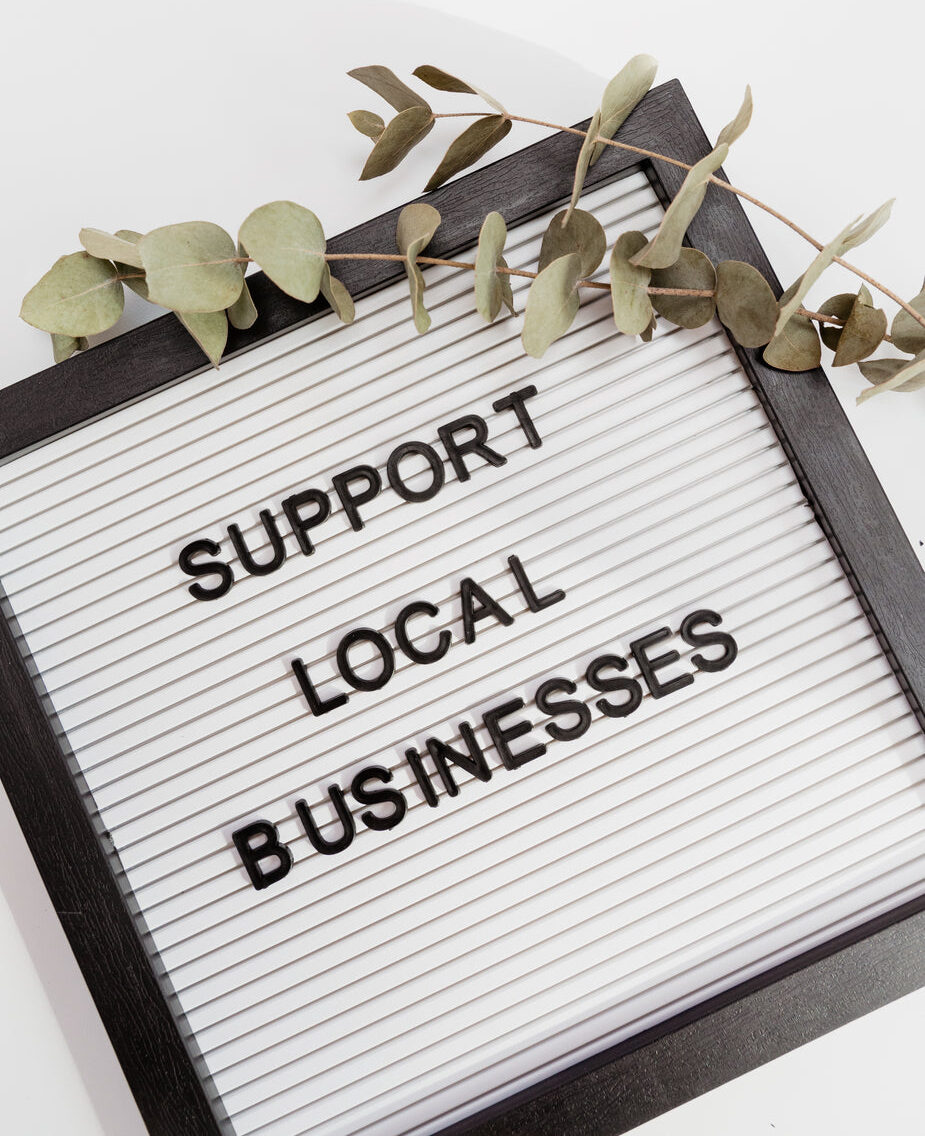
Supporting Local Businesses
In every Nigerian neighborhood from busy streets in Lagos to residential estates in Abuja and growing hubs in Port Harcourt, local businesses form the heartbeat of daily life.
The corner shop that sells bread and milk.
The tailor who fixes school uniforms overnight.
The mechanic who keeps cars running.
The woman selling fresh vegetables by the roadside.
These businesses do more than provide goods and services. They create jobs, circulate money within the community, build relationships, and contribute to neighborhood identity.
Supporting local businesses is not just an economic choice, it is a community investment.
This guide explores how patronizing local enterprises strengthens Nigerian neighborhoods socially, economically, and culturally.
Why Local Businesses Matter in Nigerian Communities
Local businesses are often:
- Family-owned
- Small or medium-scale enterprises
- Community-based service providers
- Informal or semi-formal traders
They operate in markets, kiosks, plazas, and home-based shops.
Unlike large corporations, local businesses:
- Employ neighborhood residents
- Reinvest earnings locally
- Offer personalized service
- Understand community needs
They are embedded in daily life.
1. Local Spending Circulates Money Within the Community
When you buy from a neighborhood shop instead of a distant chain store, the money stays closer to home.
Here’s how:
- Shop owners pay local rent
- They hire local workers
- They purchase from nearby suppliers
- They spend profits within the same area
This circulation creates what economists call a local multiplier effect.
One naira spent locally can generate multiple rounds of economic activity within the neighborhood.
Over time, this strengthens the entire local economy.
2. Supporting Local Businesses Creates Jobs
Small businesses are major job creators in Nigeria.
From apprenticeships to full-time employment, local enterprises provide opportunities for:
- Youth learning trades
- Women running home-based businesses
- Skilled artisans
- Sales attendants
- Security staff
In communities where unemployment is high, local entrepreneurship becomes a lifeline.
When residents deliberately support these businesses, they indirectly protect jobs.
3. Local Businesses Build Community Relationships
Unlike anonymous online shopping or large chain stores, local businesses foster relationships.
Regular customers often:
- Know shop owners by name
- Receive flexible payment options
- Get personalized recommendations
- Experience friendly interactions
These daily conversations build trust and familiarity.
In many Nigerian neighborhoods, shop owners are informal information hubs — sharing updates, noticing unusual activity, and contributing to neighborhood awareness.
This strengthens social cohesion.
4. They Enhance Neighborhood Security
Active businesses increase:
- Foot traffic
- Visibility
- Informal surveillance
A busy street with operating shops is generally safer than an abandoned one.
Shop owners:
- Notice suspicious activity
- Alert neighbors to concerns
- Provide assistance when needed
Thriving local commerce contributes to safer environments.
5. Local Businesses Reflect Cultural Identity
Markets, food vendors, and artisans reflect the unique identity of a neighborhood.
Whether it’s:
- A traditional food vendor
- A local fashion designer
- A crafts seller
- A neighborhood barber
These businesses preserve culture and tradition.
In cities like Ibadan and Kano, local markets and artisans represent generations of heritage.
Supporting them helps sustain cultural continuity.
6. They Encourage Entrepreneurship
When community members see successful local businesses, it inspires others.
Young people observe:
- Business models
- Customer service techniques
- Marketing strategies
- Skill development paths
This exposure encourages entrepreneurship.
A thriving small business ecosystem makes self-employment feel achievable.
7. Faster Problem Resolution and Better Accountability
Local businesses rely heavily on reputation.
If something goes wrong:
- Customers can return easily
- Issues are addressed quickly
- Feedback spreads through word of mouth
This accountability often leads to higher service quality.
In contrast, large corporations may feel distant and unresponsive.
8. Supporting Local Reduces Environmental Impact
Buying locally often reduces:
- Transportation emissions
- Excess packaging
- Long supply chains
Local produce, local tailoring, and local repairs are environmentally sustainable choices.
Encouraging repair services instead of constant replacement also reduces waste.
9. They Strengthen Emergency Resilience
During difficult periods, fuel shortages, economic downturns, or movement restrictions, local businesses often provide stability.
They:
- Extend credit to trusted customers
- Adapt quickly to supply changes
- Offer flexible service
Strong local networks increase community resilience during crises.
10. Property Values and Neighborhood Appeal Improve
Active commercial zones create vibrancy.
When local businesses flourish:
- Streets look lively
- Vacant shops decrease
- Infrastructure improves
- Investor interest increases
Prospective residents are attracted to neighborhoods with convenient local services.
Supporting businesses indirectly enhances real estate value.
Practical Ways to Support Local Businesses
Supporting local does not require major sacrifices.
Here are practical steps:
1. Shop Locally When Possible
Before buying from large retailers, check neighborhood options first.
2. Promote Businesses Online
Share recommendations in:
- WhatsApp groups
- Estate forums
- Community platforms
3. Leave Positive Reviews
Word-of-mouth marketing is powerful.
4. Pay Fairly and Promptly
Avoid unnecessary bargaining that undermines sustainability.
5. Encourage Youth Patronage
Introduce younger generations to neighborhood businesses.
6. Organize Community Trade Days
Host local business showcases or mini-markets.
Balancing Local Support With Smart Consumer Choices
Supporting local does not mean ignoring quality or affordability.
Healthy local economies thrive when:
- Businesses maintain standards
- Customers provide honest feedback
- Fair pricing practices are encouraged
Community support works best when it is paired with accountability.
The Role of Digital Platforms
Technology now makes it easier to connect with local businesses.
Neighborhood platforms can:
- List nearby vendors
- Share promotions
- Coordinate bulk purchases
- Recommend trusted artisans
Digital tools strengthen local economic networks.
Overcoming Common Challenges
“Local products are more expensive.”
While some items may cost slightly more, the long-term community benefit often outweighs small price differences.
“There’s limited variety.”
Encouraging demand often encourages expansion and diversification.
“Quality concerns.”
Constructive feedback helps businesses improve.
Support and standards can coexist.
Real-World Example
In a residential area of Abuja, residents began promoting neighborhood vendors through a community WhatsApp group.
Within months:
- Sales increased
- Two youths were hired
- A small grocery expanded inventory
- Customer loyalty strengthened
Intentional support created measurable economic impact.
Long-Term Impact of Supporting Local Businesses
Over time, consistent local patronage leads to:
- More employment
- Stronger entrepreneurship culture
- Better services
- Improved infrastructure
- Greater neighborhood pride
Communities become economically self-reinforcing.
Conclusion
Supporting local businesses is one of the simplest yet most powerful ways to strengthen a community.
Every purchase is a vote.
When residents choose local vendors, they invest in:
- Jobs
- Security
- Relationships
- Culture
- Economic resilience
Thriving neighborhoods are not built by government alone.
They are built daily, one transaction, one conversation, and one act of support at a time.
When communities prioritize local businesses, everyone benefits.

