

Introduction:
Why Neighbor Conflicts Matter More Than We Admit
In Nigeria, the neighborhood is more than just a place to live, it is an extended family, a social support system, and sometimes a business network. From gated estates in Banana island to compound houses in Ondo, from suburban streets in Abuja to bustling neighborhoods in Lagos Mainland, people interact daily.
But wherever people live closely, conflicts are inevitable.
One neighbor plays loud music during a naming ceremony. Another blocks your gate with their car. Someone’s dog keeps entering your compound. Children break windows while playing football. A landlord disputes boundary lines. Before you know it, greetings stop, tension rises, and the street becomes uncomfortable.
Many Nigerians handle neighbor conflicts in two extreme ways:
- They keep quiet and suffer in silence, or
- They escalate the issue into shouting matches, police reports, or court cases.
Neither approach builds a healthy community.
This guide is designed to help you resolve neighbor conflicts peacefully, intelligently, and legally, without damaging relationships or your peace of mind.
Understanding the Most Common Neighbor Conflicts in Nigeria
Neighbor conflicts vary, but certain issues are extremely common across Nigerian communities:
1. Noise Pollution
Generators, parties, church or mosque loudspeakers, construction noise, and loud music are major sources of disputes.
2. Parking and Access Issues
Blocked gates, double parking, or disputes over shared driveways often spark arguments.
3. Property and Boundary Disputes
Fence encroachment, land overlap, or building beyond approved limits can cause serious conflicts.
4. Children and Pets
Football breaking windows, dogs barking at night, or animals roaming into neighbors’ compounds.
5. Waste Disposal
Dumping refuse near another person’s house or blocking drainage systems.
6. Cultural and Lifestyle Differences
Different religious practices, visitor traffic, or social habits.
Understanding the category of conflict helps you choose the right resolution method.
Local Nigerian Case Studies: Realistic Community Scenarios
Case Study 1: Generator Noise in Lagos Mainland
Mrs. Adebayo lives in Surulere and runs a small frozen food business. Her generator runs until midnight. Her neighbor, Mr. Okafor, works early mornings and complained about noise.
Instead of shouting, Mr. Okafor visited her politely and explained how the noise affected his sleep. Together, they agreed she would switch off by 10:30 PM and invest in a quieter generator casing.
Result: Peace restored, and Mrs. Adebayo gained a loyal customer.
Case Study 2: Parking Conflict in Abuja Estate
In a gated estate in Gwarinpa, residents fought over parking spaces. One resident constantly blocked another’s gate.
The estate association created parking guidelines and fines. A WhatsApp group was used to report violations politely.
Result: Conflicts reduced, and property values improved.
Case Study 3: Boundary Dispute in Ibadan
Two neighbors disagreed on fence placement. The dispute almost led to court.
A local surveyor was invited, and elders in the community mediated. The fence was rebuilt according to the official survey plan.
Result: Legal clarity and preserved relationships.
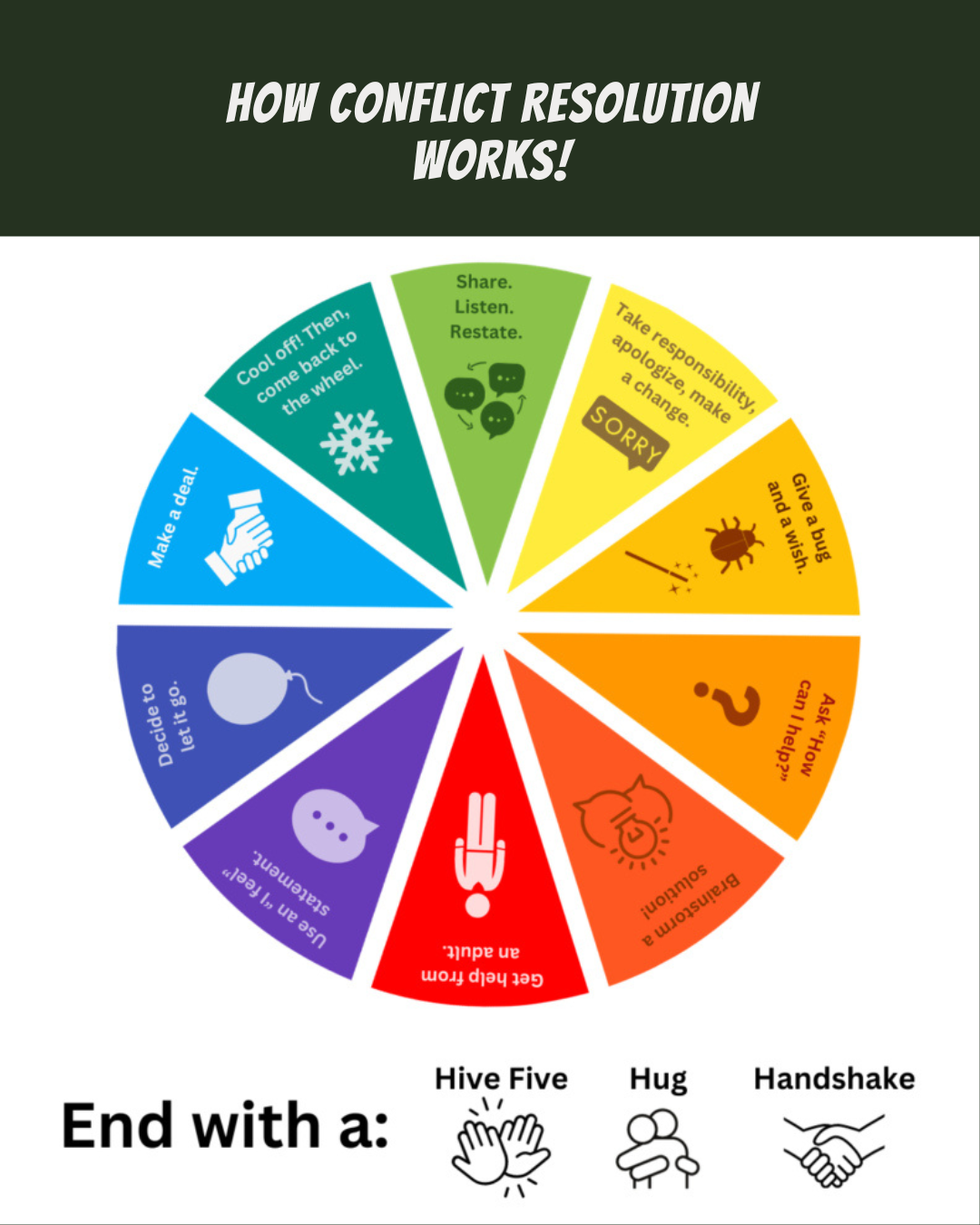
Step 1: Start With Respectful Communication
Why Communication Works
Most Nigerians avoid direct conversation, preferring gossip or confrontation. Calm communication is more effective.
How to Start the Conversation
- Choose a calm time (not when angry)
- Greet politely (Nigerian culture values greetings)
- Explain the issue calmly
Example Script:
“Good evening, sir. Please, I wanted to discuss something small. The music late at night makes it hard for my children to sleep. Can we find a solution together?”
This tone invites cooperation, not conflict.
Step 2: Listen Actively and Acknowledge Their Perspective
Listening is powerful. Your neighbor may not even know their actions are disturbing you.
Show empathy:
- “I understand you run a business.”
- “I know power supply is poor.”
- “I understand children need to play.”
People are more cooperative when they feel understood.
Step 3: Use Collaborative Problem-Solving
Instead of blaming, focus on solutions.
Examples of Practical Solutions
- Quiet hours agreements
- Moving generators away from bedrooms
- Installing soundproofing
- Shared parking schedules
- Fence re-surveying
- Children playtime guidelines
In Nigerian communities, compromise is highly respected.
Step 4: Involve Community Leaders or Estate Associations
If personal discussion fails, involve neutral mediators:
- Landlords
- Estate associations
- Community elders
- Resident welfare associations
- Security managers
In Nigeria, elders and association heads carry authority and can calm tensions.
Step 5: Understand Legal Context in Nigeria
Sometimes conflicts escalate beyond conversation. Knowing the legal framework helps.
Noise Pollution Laws
- Lagos State Environmental Protection Agency (LASEPA) regulates noise levels.
- Many states have environmental laws restricting loud noise at night.
Property and Boundary Laws
- Survey plans and Certificates of Occupancy (C of O) define property boundaries.
- Land disputes can be settled through surveyors, customary courts, or high courts.
Harassment and Threats
- Threats, violence, or property damage are criminal offenses under Nigerian law.
Important: Legal action should be a last resort, but knowing your rights gives confidence.
Step 6: Avoid Escalation Triggers (Very Common in Nigeria)
Certain actions make conflicts worse:
- Insults or tribal comments
- Public shaming on WhatsApp or Facebook
- Gossiping with other neighbors
- Recording and posting videos without consent
- Physical confrontation
Once pride and reputation are involved, conflicts become personal and hard to resolve.
Step 7: Set Clear Boundaries When Necessary
Peaceful resolution does not mean tolerating abuse.
Set boundaries if:
- Noise persists despite agreements
- Property is damaged
- Threats occur
- Harassment continues
Document incidents, report to estate management, or contact local authorities if necessary.
Expert Tips for Maintaining Peaceful Neighborhood Relationships
1. Build Relationships Before Conflicts
Greet neighbors, attend meetings, and show kindness. People treat friends better than strangers.
2. Participate in Community Activities
Cleanups, security meetings, and festivals build trust.
3. Teach Children Neighbor Etiquette
Children often cause unintentional conflicts. Teach respect for others’ property.
4. Use Technology Wisely
Community WhatsApp groups should be used for information, not attacks.
5. Practice Emotional Intelligence
Stay calm. Nigerians respect composure and maturity.
Frequently Asked Questions (FAQs)
Q1: What if my neighbor refuses to listen?
Start with mediation through estate associations or landlords. If necessary, document and escalate legally.
Q2: Can I call the police for noise complaints in Nigeria?
Yes, but it should be a last resort. Environmental agencies or community leaders are often better first steps.
Q3: What if the conflict involves land boundaries?
Hire a licensed surveyor and involve legal documentation. Avoid verbal agreements.
Q4: How do I handle difficult neighbors without creating enemies?
Be polite, calm, and solution-focused. Avoid insults and public embarrassment.
Q5: Are community rules legally enforceable?
Estate association rules are binding for residents who agreed to them, but they must align with Nigerian law.
Why Peaceful Conflict Resolution Benefits Everyone
Resolving conflicts peacefully:
- Improves quality of life
- Increases property value
- Strengthens community trust
- Reduces stress and health issues
- Creates safer environments for children
A peaceful neighborhood is not accidental, it is built through conscious communication and respect.
Conclusion:
Choose Peace, Build Community
Neighbor conflicts are normal, especially in vibrant Nigerian communities where life is lively and close-knit. But conflicts do not have to destroy relationships or peace.
By communicating respectfully, listening actively, seeking compromise, involving mediators, and understanding your legal rights, you can turn disputes into understanding.
Every peaceful conversation strengthens your street. Every resolved conflict builds a stronger community.
A better neighborhood starts with how you handle the neighbor next door.

