

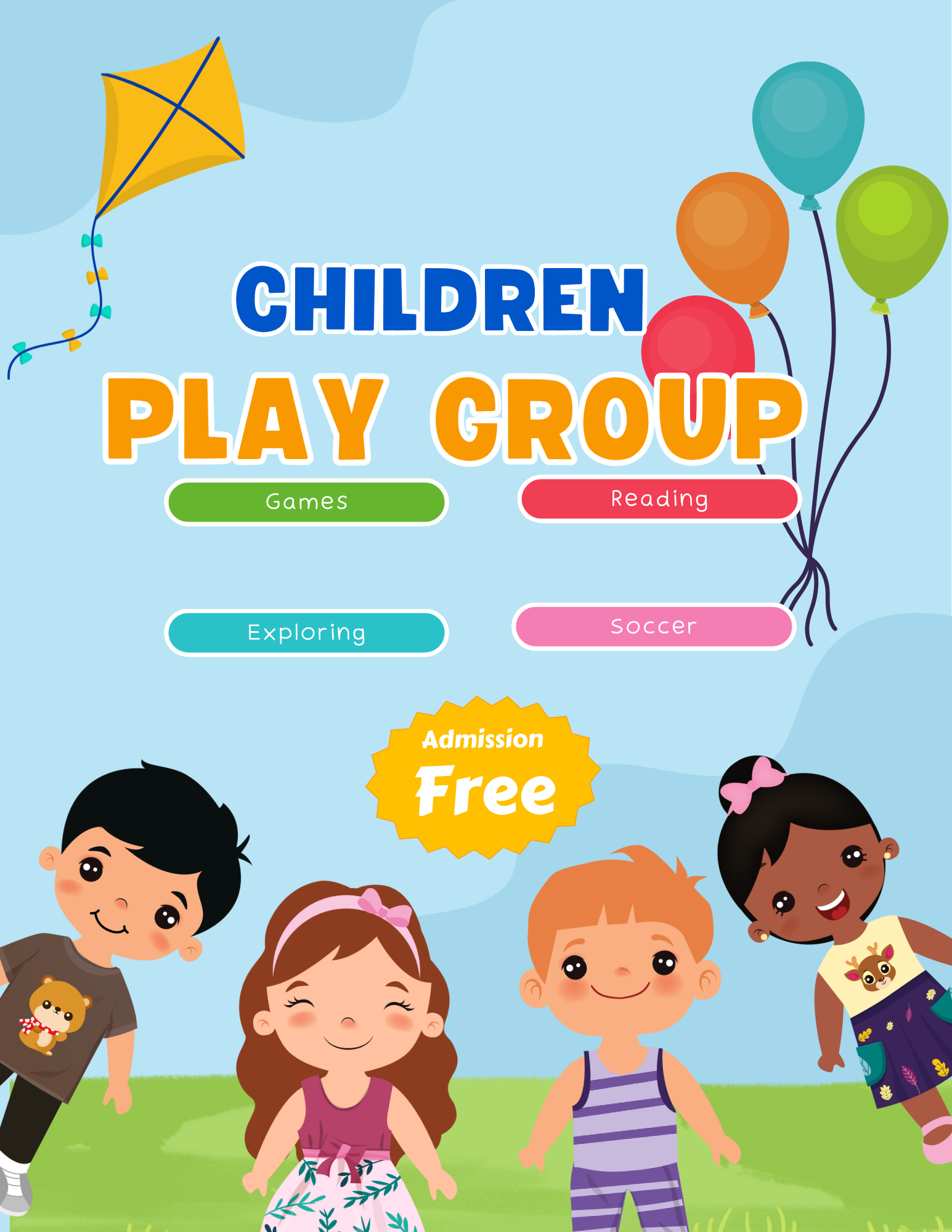
(What You Need to Know to Build Safe, Strong, and Connected Communities)
Introduction:
Why Nigerian Neighborhoods Need Structured Playgroups
In many Nigerian neighborhoods, children naturally find ways to play.
You’ll see:
- Boys organizing spontaneous football matches on quiet streets
- Girls skipping rope in front of gates
- Toddlers playing in shared compounds
- Children chasing one another between parked cars
This organic play culture is beautiful. It reflects Nigeria’s strong communal roots.
But as cities grow busier and more urbanized from estates in Lagos and Abuja to residential streets in Enugu and Port Harcourt, unstructured play is becoming more difficult.
Challenges now include:
- Increased traffic
- Security concerns
- Busy working parents
- Screen addiction
- Reduced safe open spaces
This is where a structured neighborhood playgroup becomes powerful.
A well-organized playgroup provides:
- A safe environment
- Social development for children
- Emotional support networks for parents
- Stronger neighborhood relationships
Playgroups are not just about keeping children busy. They are about intentionally building community from the ground up.
This guide explains how to organize a neighborhood playgroup in Nigeria, whether in an estate, compound, or residential street, using practical frameworks and culturally relevant strategies.
What Is a Neighborhood Playgroup?
A neighborhood playgroup is a regularly scheduled gathering of young children and parents within the same community for supervised play, learning, and social interaction.
Unlike school, it is informal.
Unlike street play, it is structured.
Unlike daycare, it is community-driven.
It blends:
- Fun
- Learning
- Social bonding
- Parent collaboration
Why Playgroups Matter in Nigerian Communities
Social Development for Children
Children in structured playgroups develop:
- Communication skills
- Conflict resolution abilities
- Emotional intelligence
- Confidence
- Sharing habits
In Nigeria’s culturally diverse cities, playgroups also expose children to different languages, backgrounds, and family values.
Reduced Screen Dependency
Many Nigerian parents now struggle with children spending excessive time on:
- Tablets
- Phones
- Television
Playgroups replace screen time with real human interaction.
Stronger Parent Networks
For parents, especially mothers working from home or running small businesses , isolation is common.
A playgroup creates:
- Emotional support
- Shared childcare advice
- Safety awareness collaboration
- Emergency backup networks
Strong parent networks strengthen neighborhood security.
Early Community Identity Formation
Children who grow up playing together are more likely to:
- Protect their neighborhood
- Respect neighbors
- Maintain long-term relationships
Community loyalty starts early.
Step 1: Start With a Simple Conversation
Do not begin with structure.
Begin with interest.
In Nigerian neighborhoods, the best starting points are:
- Evening compound discussions
- Estate WhatsApp groups
- Church or mosque conversations
- School pickup interactions
Ask:
“Would you be interested in starting a small neighborhood playgroup?”
You don’t need 20 families.
Start with 3–4 interested parents.
Momentum grows naturally.
Step 2: Define the Age Group Clearly
Mixing toddlers and 8-year-olds rarely works well.
Children develop differently across stages.
Recommended Age Clusters
- Toddlers (1–3 years)
- Preschoolers (3–5 years)
- Early Primary (6–8 years)
If your neighborhood has wide age gaps, consider separate time slots.
Smaller, focused groups are easier to manage.
Step 3: Choose a Safe and Strategic Location
Safety is non-negotiable.
In Nigeria, suitable locations include:
- Shared estate parks
- Compound courtyards
- Secure open fields within estates
- Community halls
- Rotational home hosting (with clear rules)
Safety Checklist
Before confirming a location, check:
- No exposed wiring
- No open drainage
- No heavy traffic nearby
- Adequate shade
- Access to clean water
- Clear emergency contact system
In estates, coordinate with security personnel.
In compounds, ensure all adults understand supervision responsibilities.
Step 4: Set a Consistent Schedule
Consistency builds routine.
Recommended frequency:
- Once per week (minimum)
- Twice per week (ideal for toddlers)
Best times in Nigeria:
- Mid-morning (9:30–11:30 AM) for toddlers
- After school (4–6 PM) for older children
- Saturday mornings for mixed groups
Avoid late evenings for safety reasons.
Step 5: Plan Simple, Age-Appropriate Activities
Playgroups do not require expensive materials.
Nigeria-friendly activities include:
For Toddlers
- Singing nursery rhymes (English + local languages)
- Storytelling sessions
- Simple shape sorting
- Soft ball games
- Finger painting
For Preschoolers
- Alphabet games
- Counting activities
- Drawing and coloring
- Cultural storytelling
- Simple obstacle courses
For Early Primary
- Group puzzles
- Role-play (doctor, teacher, market seller)
- Team games
- Creative art challenges
- Basic science experiments
Focus on engagement, not perfection.
Step 6: Establish Clear Guidelines
Without guidelines, misunderstandings arise.
Agree on:
- Supervision expectations
- Drop-off or stay-with-child rules
- Hygiene standards
- Snack policies
- Emergency contacts
- Behavioral expectations
In Nigeria, shared responsibility must be clearly communicated.
Step 7: Rotate Responsibilities Among Parents
To prevent burnout:
Rotate:
- Activity planning
- Snack coordination
- Setup and cleanup
- Storytelling sessions
Shared leadership strengthens trust.
Real Nigerian Scenario: Abuja Estate Playgroup
In a mid-sized Abuja estate, four mothers began meeting weekly.
Within three months:
- Attendance grew to 12 families
- Parents created a shared toy fund
- Children formed strong friendships
- Estate security reported improved parental communication
Small beginnings created long-term value.
Inclusivity: Making Everyone Feel Welcome
Playgroups must:
- Welcome tenants and homeowners
- Respect different religious backgrounds
- Avoid political discussions
- Embrace cultural diversity
Children observe adult behavior.
Inclusivity must be modeled intentionally.
Managing Health and Hygiene in Nigerian Context
Given Nigeria’s climate:
- Ensure handwashing before snacks
- Keep first aid kits available
- Avoid sharing personal water bottles
- Reschedule during illness outbreaks
Health discipline builds parental confidence.
Common Challenges and Solutions
1. Low Initial Participation
Solution: Start small. Share photos and testimonials (with consent).
2. Scheduling Conflicts
Solution: Poll parents digitally before fixing time.
3. Disciplinary Issues
Solution: Agree on unified correction methods.
4. Financial Disagreements
Solution: Keep contributions voluntary and transparent.
Long-Term Benefits for the Community
Structured playgroups can evolve into:
- Homework support groups
- Youth mentorship clubs
- Holiday camps
- Community talent shows
- Parenting workshops
They become foundational social infrastructure.
Economic and Property Value Impact
Strong child-friendly neighborhoods attract:
- Young families
- Stable tenants
- Long-term homeowners
Safe and connected communities command higher property demand.
Playgroups indirectly improve estate reputation.
Leveraging Digital Platforms Like CircleNearby
CircleNearby can support playgroup coordination by:
- Announcing meeting times
- Tracking attendance
- Sharing safety updates
- Collecting feedback
- Expanding invitations
Digital structure strengthens physical community bonds.
Legal and Safety Considerations in Nigeria
While informal playgroups don’t require government permits:
- Avoid blocking public roads
- Maintain noise discipline
- Coordinate with estate authorities
- Ensure adult supervision at all times
Safety must remain priority.
Frequently Asked Questions (FAQs)
1. How many families are needed to start?
Even 3 families are enough.
2. Should parents stay during sessions?
For toddlers, yes. For older children, supervision structure must be agreed upon.
3. Is funding required?
Minimal. Most activities use simple household materials.
4. Can fathers participate?
Absolutely. Inclusive parenting strengthens community bonds.
5. What if conflicts arise between children?
Use structured conflict resolution and involve parents respectfully.
6. How do we sustain interest long-term?
Introduce themes, rotate leadership, and celebrate milestones.
The Community-Building Power of Play
Neighborhoods are not strengthened by infrastructure alone.
They are strengthened by:
- Shared laughter
- Childhood memories
- Parent collaboration
- Collective responsibility
When children grow up playing together safely, they grow into adults who care about their surroundings.
Organizing a neighborhood playgroup is not just childcare.
It is community development at its most foundational level.
Conclusion:
Small Steps, Lasting Impact
You don’t need funding from government.
You don’t need a formal institution.
You don’t need perfection.
You need:
- Conversation
- Cooperation
- Structure
- Consistency
With intentional planning, Nigerian estates, compounds, and residential streets can build structured playgroups that support child development and strengthen community bonds for years to come.
And when supported by digital coordination tools like CircleNearby, organizing becomes easier, more transparent, and more sustainable.
The future of safe, connected Nigerian neighborhoods begins with children and with parents willing to organize.

