

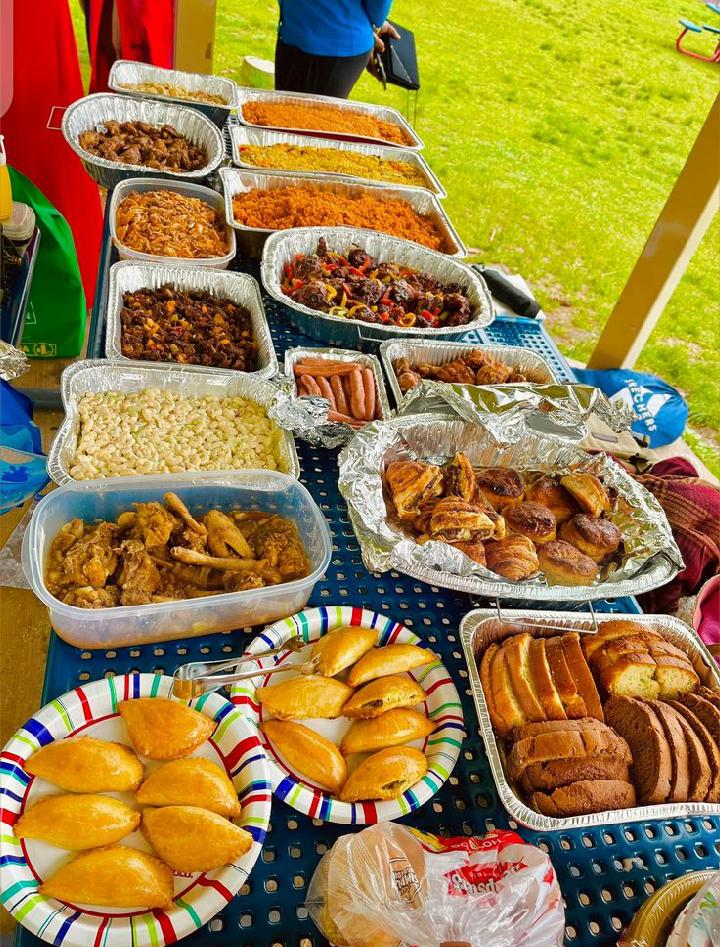
Introduction:
Why Community Celebrations Matter in Nigeria
Nigeria is one of the most culturally diverse countries in the world, with over 250 ethnic groups, multiple religions, and countless traditions. From Christmas and Eid to New Yam Festivals, Durbar, Independence Day, and Children’s Day, holidays are deeply woven into the fabric of Nigerian life.
However, modern urbanization, gated estates, busy work schedules, and digital lifestyles have reduced face-to-face interactions among neighbors. Many Nigerians now live in the same street or estate for years without knowing each other personally.
Community celebrations offer a powerful solution. They bring neighbors together, foster trust, reduce conflict, enhance security, and improve overall quality of life.
This guide explains how Nigerian communities can celebrate holidays together to strengthen social bonds, with practical examples, case studies, expert tips, and cultural considerations.
1. Understanding the Role of Holidays in Nigerian Community Life
Holidays in Nigeria are not just days off work, they are days for social, cultural, and spiritual milestones.
Major Nigerian Holidays
-
Religious Holidays:
-
Christmas
-
Easter
-
Eid al-Fitr and Eid al-Adha
-
-
National Holidays:
-
Independence Day (October 1)
-
Democracy Day (June 12)
-
Workers’ Day (May 1)
-
-
Cultural Festivals:
-
New Yam Festival (Igbo)
-
Durbar (Northern Nigeria)
-
Osun-Osogbo Festival
-
Eyo Festival (Lagos)
-
Each of these presents an opportunity for community engagement and bonding.
2. Benefits of Community Holiday Celebrations
2.1 Strengthening Social Bonds
Celebrations create shared memories, laughter, and emotional connections among neighbors. The bond that is made during this various celebration stay with people for a long time.
2.2 Improving Community Security
When neighbors know each other, they are more likely to watch out for suspicious activities and collaborate on security. Neighbors become watchful eyes and listening ears to happenings around.
2.3 Promoting Cultural Understanding
Nigeria’s diversity can lead to misunderstanding. Celebrating together helps neighbors learn about each other’s traditions and beliefs.
2.4 Supporting Local Businesses
Food vendors, decorators, entertainers, and small businesses benefit economically from community events.
2.5 Enhancing Mental Health and Well-being
Community celebrations reduce loneliness, especially for elderly residents, single parents, and migrants. It brings people together to share beautiful memories and help one change the state of mind.
3. Types of Community Holiday Celebrations Nigerians Can Organize
3.1 Estate or Street Christmas Parties
Residents can pool resources to organize:
-
Carol singing
-
Children’s gifts
-
Food sharing (jollof rice, fried rice, small chops)
-
Games and competitions
Mini Case Study: Lekki Estate Christmas Carnival
An estate in Delta, residents contributed ₦5,000 each to host a Christmas carnival. Children received gifts, local DJs played music, and residents shared homemade dishes. The event increased neighbor interactions and reduced disputes the following year. Infants they started making plans on what they were going to do better the next carnival. They set up a committee to be in charge and it has become a beautiful yearly tradition for them.
3.2 Eid Community Feasts
Muslim communities can:
-
Share ram meat and traditional dishes
-
Invite non-Muslim neighbors
-
Organize prayers and children’s activities
Mini Case Study: Abuja Compound Eid Sharing
A compound in Kubwa invited Christian neighbors to share Eid meals. This simple act improved interfaith relationships and reduced religious tension within the compound. The little community has grown tremendously in unity because of that single act.
3.3 Independence Day Community Parades
Residents can:
-
Decorate streets with Nigerian flags
-
Organize cultural dances and storytelling
-
Host talent shows for children
This builds national pride and unity.
3.4 Cultural Festival Showcases
Urban communities can host:
-
Yoruba drumming and dance
-
Igbo masquerade performances
-
Hausa-Fulani cultural music
-
Fashion and food exhibitions
This allows residents to celebrate diversity in a controlled, respectful environment.
4. How to Plan a Successful Community Holiday Celebration
4.1 Form a Community Planning Committee
Include:
-
Youth representatives
-
Elders
-
Women groups
-
Religious leaders
-
Security representatives
Expert Tip:
A diverse committee ensures inclusive planning and reduces bias.
4.2 Set a Clear Budget
Funding sources may include:
-
Resident contributions
-
Corporate sponsorships
-
Local government grants
-
Donations from businesses
4.3 Choose a Suitable Venue
Options include:
-
Estate parks
-
School fields
-
Community halls
-
Closed streets (with permission)
4.4 Plan Inclusive Activities
Include:
-
Games for children
-
Cultural performances
-
Food sharing
-
Networking sessions
-
Security awareness talks
4.5 Promote the Event
Use:
-
WhatsApp groups
-
Estate notice boards
-
Social media pages
-
Flyers
5. Inclusive Celebrations in Multi-Religious Nigerian Communities
Nigeria’s religious diversity requires sensitivity and inclusiveness. It is important to know about diversities in religious, so boundaries can be respected.
5.1 Invite Everyone Regardless of Faith
Make it clear that events are open to all residents. So their won’t be any assumptions.
5.2 Avoid Religious Extremes
Focus on cultural, social, and humanitarian themes rather than preaching. Preaching can bring disagreement when people present for a gathering don’t share same religious beliefs.
5.3 Encourage Interfaith Participation
For example:
-
Christians attending Eid celebrations
-
Muslims attending Christmas events
This builds and grows bond, mutual respect and understanding.
6. Community Holiday Celebrations and Nigerian Youth Engagement
Youth are key drivers of community activities. Involving young minds can make the activity more interesting.
6.1 Youth-Led Talent Shows
Music, dance, poetry, and comedy competitions can be organized.
6.2 Volunteer Programs
Youth can volunteer for:
-
Event logistics
-
Cleaning
-
Security support
6.3 Skill Showcases
Youth entrepreneurs can showcase:
-
Fashion designs
-
Food brands
-
Tech solutions
This builds confidence and economic empowerment.
7. Legal and Regulatory Considerations in Nigeria
7.1 Noise Regulations
Local councils and state environmental agencies (e.g., Lagos State Environmental Protection Agency – LASEPA) regulate noise levels. Events should respect permitted hours.
7.2 Street Closures
Residents must obtain permission from:
-
Local government authorities
-
Estate management
7.3 Security and Safety
Ensure:
-
Emergency exits
-
Crowd control
-
First aid kits
7.4 Child Protection
Children’s activities should be supervised to prevent abuse or accidents.
8. Expert Tips for Sustainable Community Celebrations
Tip 1: Document the Event
Take photos and videos for future promotion and historical records.
Tip 2: Rotate Leadership
Avoid burnout by rotating planning roles yearly.
Tip 3: Partner with NGOs or Brands
Brands may sponsor food, gifts, or entertainment.
Tip 4: Include CSR Activities
Add charity drives, environmental clean-ups, or blood donation drives.
Tip 5: Evaluate After the Event
Collect feedback to improve future celebrations.
9. Challenges Nigerian Communities Face and How to Overcome Them
9.1 Funding Issues
Solution:
Introduce tiered contributions and seek sponsorships.
9.2 Religious or Cultural Tension
Solution:
Focus on shared values like unity, peace, and development.
9.3 Low Participation
Solution:
Engage residents early and use youth ambassadors.
9.4 Security Concerns
Solution:
Collaborate with community vigilante groups and police.
10. Role of Digital Platforms in Community Celebrations
Community platforms like neighborhood apps, WhatsApp groups, and local social networks can:
-
Announce events
-
Share event updates
-
Conduct polls for planning
-
Stream celebrations for absent residents
Digital tools ensure broader participation and transparency.
11. Nigerian Mini Case Studies of Successful Community Celebrations
Case Study 1: Surulere Street Independence Party
Residents organized a street party with cultural dances and children’s quiz competitions. Local politicians attended, increasing community visibility and attracting infrastructure support. The children had stories to share with their friend, when they resumed school and the memories was worthwhile.
Case Study 2: Port Harcourt Estate Eid Outreach
Residents distributed food packages to widows and vulnerable households during Eid, strengthening trust and reducing social inequality. The community did not forget the act quickly, sending blessings to the organizers constantly.
Case Study 3: Enugu New Yam Community Festival
Urban Igbo residents recreated a New Yam Festival with masquerades and traditional dishes, teaching children cultural heritage. The colorful event created new memories for children and reignited to love for culture in adults alike.
12. Long-Term Impact of Community Holiday Celebrations
12.1 Stronger Community Governance
Residents collaborate more effectively on development projects.
12.2 Reduced Crime
People recognize strangers and suspicious behavior more easily.
12.3 Cultural Preservation
Children learn traditions in urban environments.
12.4 Economic Opportunities
Local vendors, entertainers, and artisans benefit financially.
13. Frequently Asked Questions (FAQs)
Q1: How often should communities celebrate together?
At least twice yearly, but smaller gatherings can happen quarterly.
Q2: What if some residents refuse to participate?
Participation should be voluntary. Encourage inclusion without pressure.
Q3: Can tenants organize celebrations without landlords?
Yes, but informing landlords and estate management is recommended.
Q4: Is it expensive to organize community celebrations?
Not necessarily. Simple potluck gatherings are affordable and effective.
Q5: How do we handle conflicts during celebrations?
Have a mediation team and clear event guidelines.
Conclusion:
Building Unity Through Shared Celebrations
Community holiday celebrations are more than entertainment—they are tools for social cohesion, security, cultural preservation, and economic development. In a country as diverse as Nigeria, shared celebrations help bridge religious, ethnic, and socioeconomic divides.
By organizing inclusive, well-planned holiday events, Nigerian streets, estates, and compounds can transform into vibrant, supportive, and united communities.


This points are very practical and can help make community bond grow stronger.